New immigrant literature in Singapore Chinese literature


Singapore’s long history of immigration has shaped its multicultural identity, keeping the country vibrant and dynamic. After diplomatic relations with China were established in 1990, a new wave of Chinese nationals relocated to Singapore for business, employment, or study. The term “new immigrants” broadly refers to individuals who migrated to Singapore from mainland China, Taiwan, Hong Kong, Malaysia, and other regions during this period. Whether they eventually settled down here or left, the Chinese literary works they created while residing in Singapore are generally regarded as new immigrant literature in Singapore Chinese literature.
New immigrant writers from China
New immigrant literature emerged in the early 1990s, led by prominent writers such as Wang Wenxian, Qiao Qiao, Dai Kai, Liu Liu, and Zhang Huiwen.
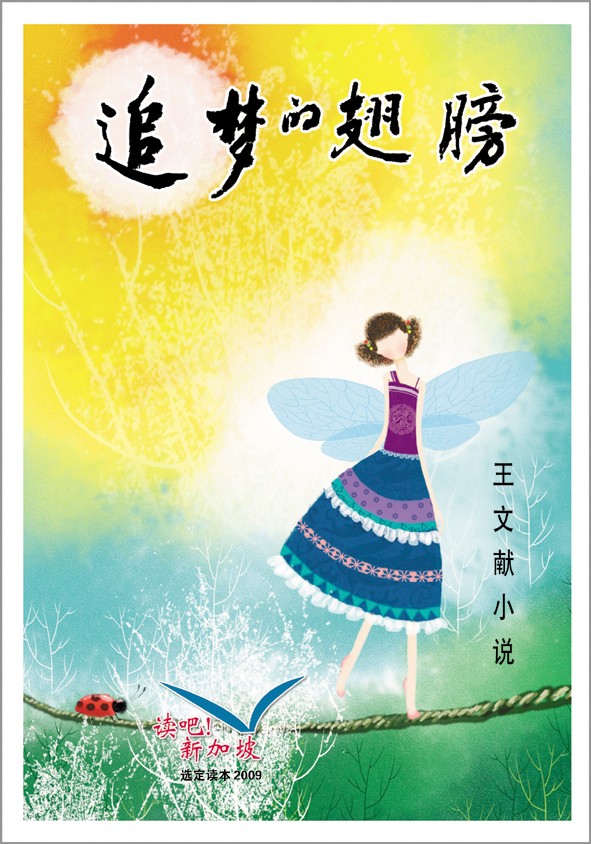
Wang Wenxian is the author of several fiction collections that resonated deeply with Singaporean youths. These include Dingxiang chulian (Lilac First Love), Aicheng gushi (Love and Cities), Zhuimeng de chibang (Wings of Dreams), Nengshuo de mimi (Secrets That Can be Told), and Wenrou de cibei (A Gentle Compassion). Zhuimeng de chibang was particularly notable: it was selected by the National Library Board Singapore as a designated Chinese-language reading title for the 2009 READ! Singapore campaign, and hugely popular among local teachers and students.
Dai Kai moved to Singapore in 2002. Her novel Baihe (Lily) narrates the experiences of a Chinese mother who took her son abroad to study, while exploring the clash between Eastern and Western philosophies.
Liu Liu, whose real name is Zhang Xin, was born in Anhui Province in 1974 and graduated from the Department of International Trade at Anhui University. In 1999, she moved to Singapore, where she worked as a preschool teacher while writing online under a pen name. Her works include the fiction pieces Wanggui yu anna (Wang Gui and An Na) and Woju (Snail House), the urban drama Shuangmianjiao (Two-Sided Adhesive Tape), and the prose collection Oude riji (Diary of an Unexpected Gift).
Zhang Huiwen was born in Henan Province in 1978. She came to Singapore to study in 1995, later earning a Bachelor of Business Administration (Honours) from the National University of Singapore. She lived here till 2010 and currently resides in Boston in the United States. Her works Yaoyi chang (The Labour Field) and Shuijing Haitong (Crystal Children) won the top prize in the Chinese Fiction category of Singapore’s Golden Point Award in 2003 and 2005 respectively. In 2006, her short story collection Zai wuding shang sanbu (A Stroll on the Rooftop) was published with funding from the National Arts Council. Commenting on Zhang’s fiction, literary critic and academic Dai Yaoqin noted: “As an observer, she peers directly into human feelings through her characters’ fleeting monologues, dialogues, and silences.”
A fresh crop of new immigrant writers from China has emerged since the 2000s. Chen Shuai, who moved to Singapore in 2000 from Heilongjiang Province, has authored numerous children’s books and won more than 10 literary awards between 2010 and 2025. In 2013, her novella Zhima ban lüdou shi (The Sesame Class: All About the Little Things) was recommended by the Ministry of Education as a Chinese supplementary reader for primary schools. It also won the POPULAR Readers’ Choice Award in the Chinese category at the seventh BookFest@Singapore. Her literary philosophy centres on providing children with age-appropriate stories that encourage independent thinking.
Sun Kuan, who moved from Beijing to Singapore in 1994, is a recipient of the Fang Xiu Literary Award. Between 2019 and 2024, she published eight books, including the autobiographical prose collection Yujian doushi chulian (Every Encounter is First Love), poetry collection Shuangcheng lian (Love Between Two Cities), diary-style essay collection Huangyue zhi cheng (A City Under the Bleak Moon), bilingual poetry collection Yueliang yu yujinxiang (The Moon and Tulips), and novella and short story collection Xinjiapo xiyi (The Singapore Lizard). Her poems, such as Longfeng malaijian (Dragon-Phoenix Keris) and Hongtoujin (Samsui Women), are imbued with strong local cultural characteristics.
Qi Yarong, who is from Shaanxi Province, came to Singapore in 1997. Between 2015 and 2018, she won 10 literary awards both in and outside Singapore. Her works include the essay collections Taxiang guxiang (Foreign Land and Hometown) and Aishang yizuocheng (Falling in Love with a City). Since 2018, she has published a wide range of interviews with Singapore Chinese writers in Yuan, a magazine by the Singapore Federation of Chinese Clan Associations.
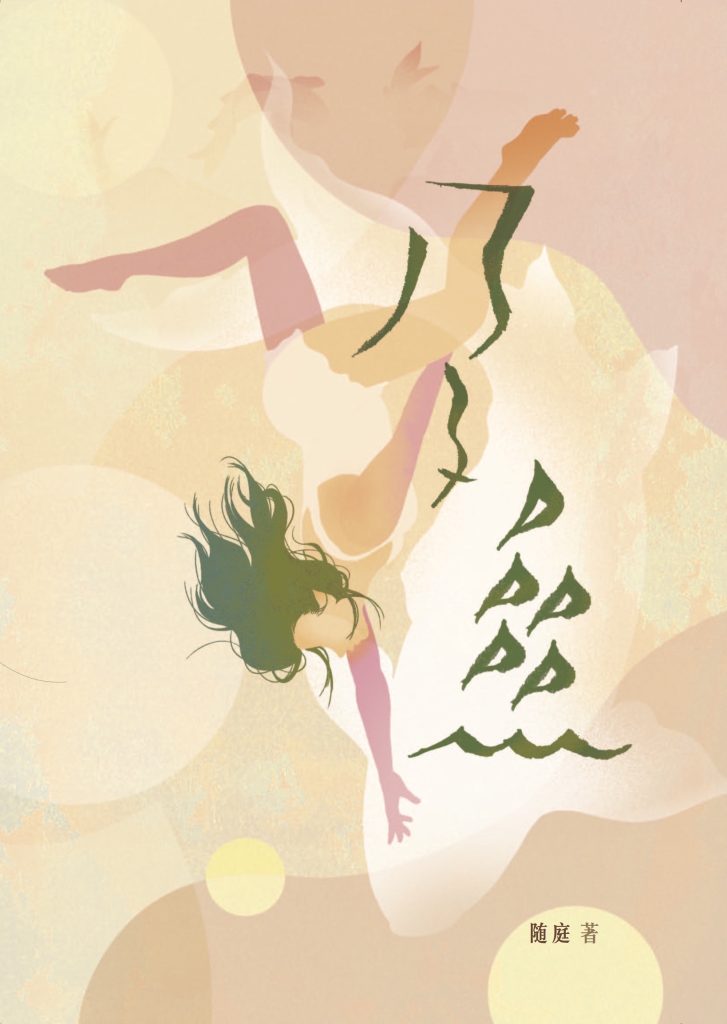
Other prominent new immigrant writers from China include Sui Ting, He Shan, Lu Siliang, and Wang Hongyu. Sui Ting, whose real name is He Yingshu, is a writer born in the 1990s who arrived in Singapore when she was 15. She rose to prominence in the local Chinese literary scene in 2015, winning first prize in the Fiction category of the Singapore Tertiary Chinese Literature Awards and the Chinese Fiction category of the Golden Point Award for her works Laodian (Old Shop) and Yunyu (Fish Birth) respectively. In 2025, she received the Singapore Young Artist Award. He Shan, whose real name is Wang Zhe, shared the poetry award in the Chinese category of the 2024 Singapore Literature Prize with Tan Chee Lay for his poetry collection Pingyong zhi zuo (Mediocre). One of the judges, Wang Yin, described it as “a book of memories that refuses to be forgotten”. He Shan was also shortlisted in the Best Debut category for his poetry collection Yi ge shike (An Infinite Moment), while Lu Siliang’s fiction collection Darizi tao xiaorizi (Of Ordinary Days and Special Occasions) and Wang Hongyu’s essay collection Beiguo Nanyang (From Hebei to Nanyang) were shortlisted in the Fiction and Best Debut categories respectively.
New immigrant writers from Malaysia and beyond
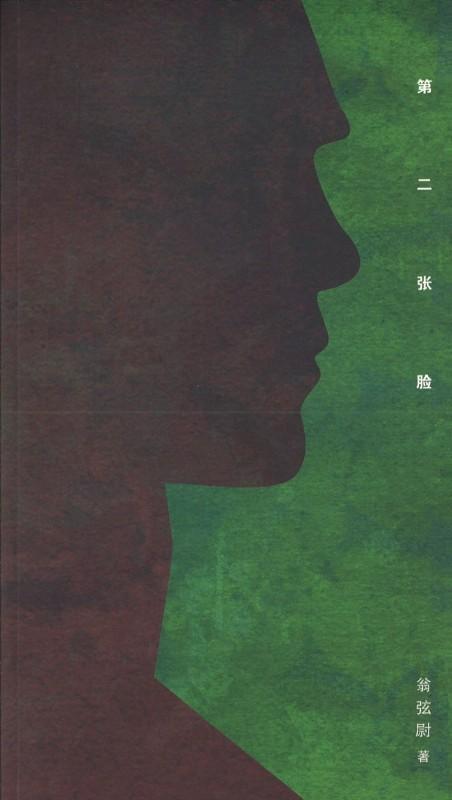
The talent pool is not limited to transplants from China. There are also notable new immigrant writers from Malaysia, such as Hee Wai Siam (pen name Weng Xianwei), Aw Seow Pooi, Wong Ling Ming, and Moh Lee Fair. At the 2018 Singapore Literature Prize, Hee Wai Siam shared the Chinese Non-fiction award with Liu Su for his essay collection Di’erzhang lian (The Second Face). At the 2024 Singapore Literature Prize (Chinese category), he was shortlisted in the Poetry and Fiction categories for his poetry collection Woniu qiyi (Snail Uprising) and fiction collection Nali (There) respectively. Meanwhile, Aw Seow Pooi was shortlisted in the Best Debut category for her poetry collection Xiaxi (Cracks). Wong Ling Ming’s works include the poetry-and-prose collection Renjian yanyuqing (The Landscapes of Life), the essay collections Dongrong qingsi (Moving Thoughts) and Xiangyu zai daoguo (Encounters in the Island Nation), as well as the poetry collection Shiqing pian pian (Poetic Sentiments). Moh Lee Fair is the author of the short story collection Qin’ai de lüren (Dear Traveller) and the young adult fiction Suoluomen dafaguan de zuihou yige anjian (The Last Case of Judge Solomon).
Compared with its Southeast Asian neighbours, Singapore boasts a larger pool of new immigrant writers with an impressive output. While the earlier works tended to centre on cultural clashes, more recent new immigrant writing has shifted in focus. The works now largely depict the authors’ integration into Singapore’s cultural ecosystem, sharing both local quirks and personal experiences while broadening the scope of new immigrant literature.
This is an edited and translated version of 新华文学中的新移民文学. Click here to read original piece.
Teo, Sum Lim. “Xinyimin shengeng xinhua wenxue” [New immigrants cultivating Singapore Chinese literature]. Yuan Magazine 61, 2023. | |
Teoh, Hee La. “Tamen yu xinjiapo de wenxueyuan: Xinhua wenxue de xinyimin wenxue” [Their literary ties with Singapore: New immigrant literature in Singapore Chinese literature]. Lianhe Zaobao, 29 November 2021. | |
Teoh, Hee La. “Xinyimin niandai li, xinhua wenxue bantu zai nali?” [Where is Singapore Chinese literature in the era of new immigrants?]. Lianhe Zaobao, 22 April 2019. |