“Text and Image Studies” and Singapore Chinese literature


Text and Image Studies is an interdisciplinary academic approach and research method that examines text presented in the form of images. Proposed in 2014 by I Lo-fen, Associate Professor in the Division of Chinese at Singapore’s Nanyang Technological University (NTU), it explores the interactive relationship between text and image.
Text and Image Studies defines “text” in its broadest sense, encompassing all symbolic forms used for expression, communication, and documentation. Likewise, “image” refers to a wide spectrum of visual information, including graphic representations, imaginative constructs, and cultural iconography. The theory of Text and Image Studies intersects with existing fields of theory, such as semiotics and visual culture studies.
Text and Image Studies posits that “all things can be considered text”. This means that any object, form, or phenomenon capable of carrying, communicating, or generating meaning can be read and studied as a text. Consequently, everything from poetry, painting, and calligraphy to film, digital media, and AI-generated content falls within the scope of Text and Image Studies. The objective of this field lies not only in exploring the relationship between text and image, but also in inspiring a way of seeing and understanding the world, allowing people to re-examine their daily life, cultural experiences, and the process of meaning-making.
Singapore Chinese literature through the lens of Text and Image Studies
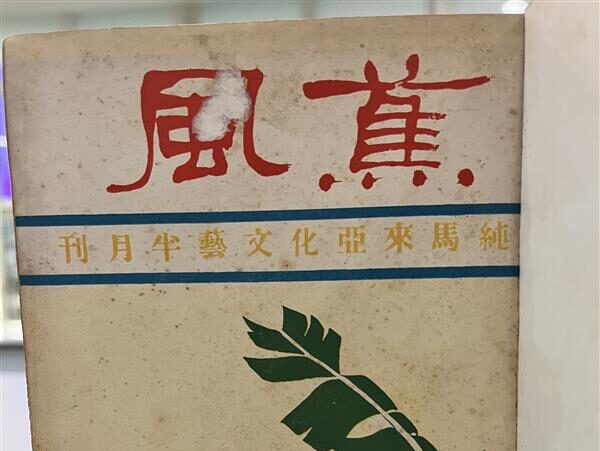
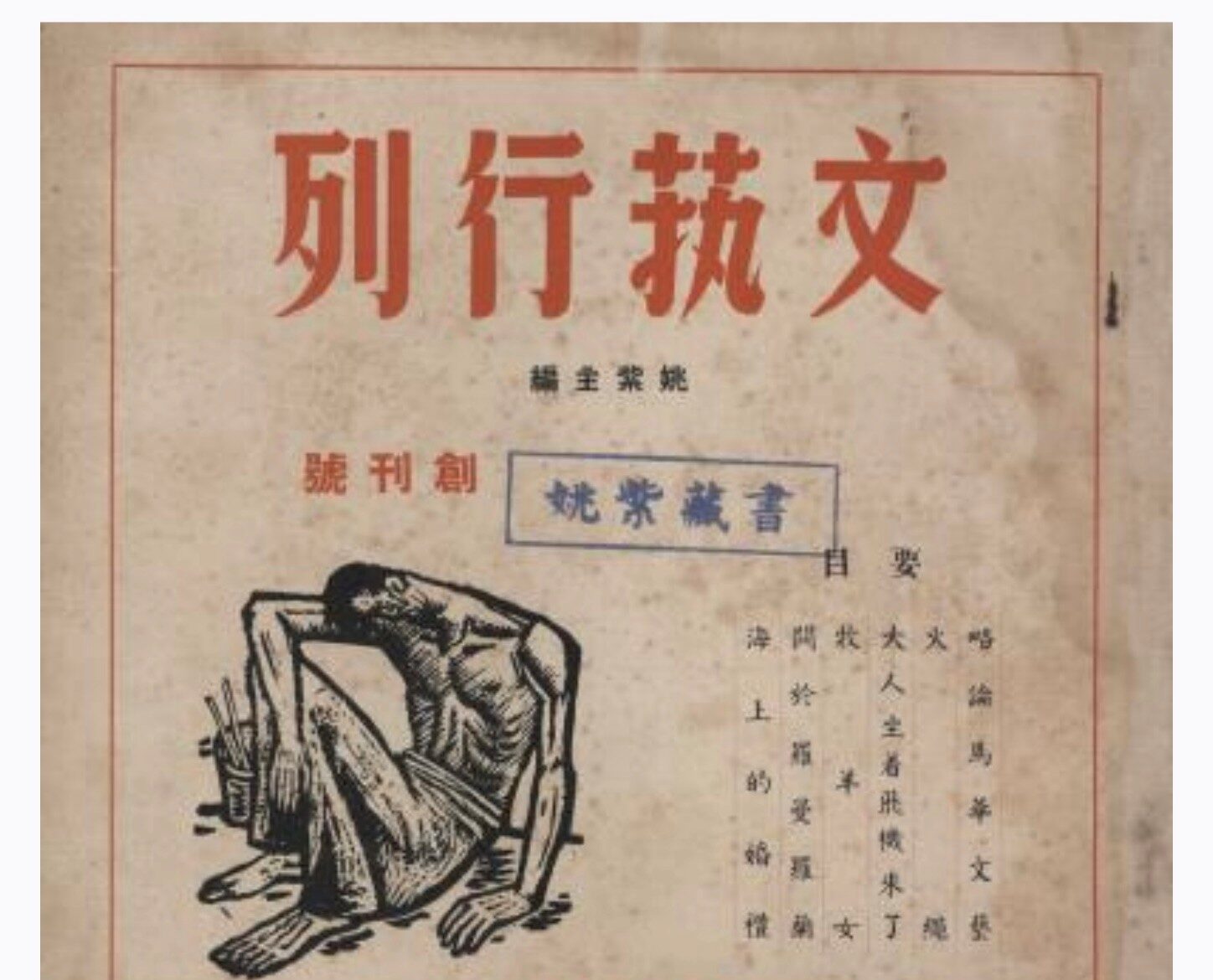
In the context of Singapore Chinese literature, Text and Image Studies is both a method of literary reading and research, and a way of seeing that expands writing, thinking, and perception. Reading Singapore Chinese literature through the lens of Text and Image Studies illuminates its distinctive features, deepening our understanding and appreciation of literary works. There are three broad categories of works that lend themselves well to such study.
Modality refers to the different modes of expression or symbolic systems through which humans convey and interpret information. Common modes are the linguistic (written and spoken language), visual (image, colour, layout, emoji), auditory (music, sound effect, rhythm, and pitch of speech), spatial (body movement, gesture, configuration), and tactile (texture, temperature). Singapore’s multilingual and multiethnic environment provides a rich repository of multimodal resources for literary creation. In their works, writers frequently mobilise the sounds, scripts, glyphs, semantics, and local memories of different languages, allowing multiple modes of meaning-making to interact within a single text. For instance, Singapore writer and musician Liang Wern Fook’s essay Zuihou de niucheshui (The Last Years of Kreta Ayer) mentions the Cantonese term dai ping mai (meaning “big sale”). This term is not merely a record of a promotional sale; it also weaves the spoken sound of Cantonese, the written form of Chinese characters, and the lived memories of Kreta Ayer into the written narrative.
Meanwhile, Singapore poet Nanzi’s Mei lin shi plays on the English word “Merlion”, transcribing its sound into Chinese characters. Through the visual forms and meanings of the characters mei (beautiful), lin (scales), and shi (lion), the poem regenerates the visual image and cultural associations of the Merlion. What Text and Image Studies focuses on is precisely how sound, writing, visual imagination, and local experience transform into one another within literary works to generate meaning.
The visualisation of literary works and their transformation into media such as theatre, film, television, and musical stage productions has become an important cultural phenomenon. Such adaptations not only help to reach a wider audience, but may also reveal, refine, or regenerate the meaning of the original work.
For instance, the novel Art Studio by Yeng Pway Ngon (1947–2021) was adapted into a stage production by theatre group Nine Years Theatre; Chia Joo Ming’s novel Exile or Pursuit was made into a musical; and Soon Ai Ling’s short story Tanjia shifu (Master Tan) was adapted by filmmaker Eva Tang into The Veiled Willow.
From the perspective of Text and Image Studies, adaptation is not simply the transfer of the same story from one medium to another, but a reorganisation of language, image, sound, performance, space, and bodily movement. Different mediums shape their own unique ways of seeing, listening, and understanding, thereby generating new meanings.
Literature is not merely a product of words — it is also presented through typography, layout, overall design, paper, binding, and different modes of media dissemination. These affect how readers encounter a work and also influence their understanding of it and the generation of meaning. For instance, Wong Koi Tet’s poetry series Three or Four Lines and his collection of prose and photography Little Things show how a book’s paper texture, layout design, photographic arrangement, and binding create sensory interactions during the reading process. The nature of this experience is not limited to what the author had intended; readers can also generate new meanings through their interaction with the material form of the book.
Text and Image Studies Society
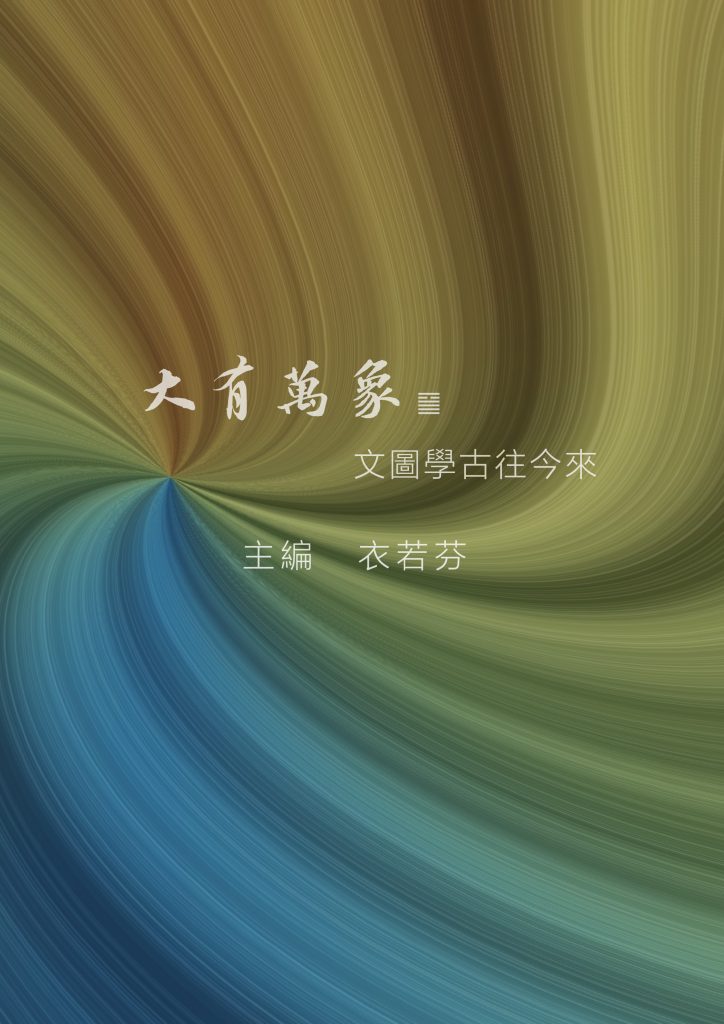
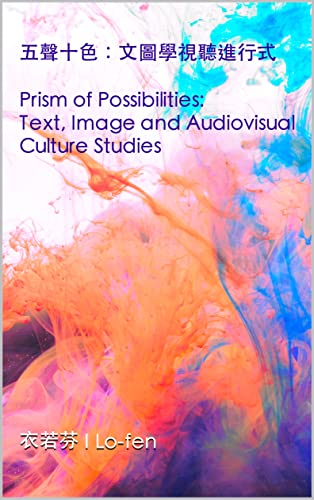
In recent years, NTU has introduced courses on Text and Image Studies, while books on the subject and columns and articles in Chinese newspaper Lianhe Zaobao have gradually introduced this field to a wider public. Since its establishment in Singapore in December 2017, the Text and Image Studies Society has organised international conferences, hosted monthly online sharing sessions, published e-newsletters and collections of research papers, as well as provided a platform for academics to exchange ideas. It has also conducted public lectures on the arts and literature, and provided guided tours on artefacts and artworks to disseminate relevant knowledge. In 2022, the society published its first issue of the biannual journal Wentu xuebao (Journal of Text and Image Studies).
Singapore Chinese literature and text-and-image creation are also the long-term focus of the Text and Image Studies Society, which has held events to introduce and promote original Singaporean picture books, as well as the poetry and paintings of Tan Chee Lay and Chow Teck Seng respectively. These activities demonstrate that Singapore Chinese literature possesses a cross-cultural character that is closely intertwined with Singapore’s geographical environment, ethnic relations, multilingual society, and language policies. While local Chinese literature inherits the traditions of Chinese literature and culture, it also continually responds to local lived experiences and the changes brought about by globalisation.
From the perspective of Text and Image Studies, the words in Singapore Chinese literature do not merely narrate events; they also preserve local landscapes, everyday objects, bodily movements, auditory memories, and experiences of multilingual interaction. Through descriptions of streets, buildings, food, human postures, dialect pronunciations, and social scenes, writers enable readers to form visual, auditory, and cultural imaginations within the text.
The interaction of textual, auditory, and visual experiences showcases the process through which different ethnic groups and cultures converge, negotiate, and regenerate meaning in Singapore.
This is an edited and translated version of 文图学与新华文学. Click here to read original piece.
I, Lo-fen. Chunguang qiubo: kanjian wentuxue [Encountering text and image studies]. Nanjing: Nanjing University Press, 2020. | |
Singaporean Mandarin Database: Selat to Singapore. Singapore: Promote Mandarin Council, 2025. | |
Teo, Sum Lim, ed. Qing xi shicheng: wushinian xinhua shiwenxuan [Ode to Lion City: An anthology of 50 years of Chinese essays and poetry]. Singapore: Singapore Book Council, 2018. | |
Zhang, Songjian and Teo Sum Lim, eds. Xinguo feng: Xinjiapo huawen xiandai shixuan [Sing’Phone: An anthology of Singapore’s Chinese poetry]. Singapore: Centre for Chinese Language and Culture, Nanyang Technological University, 2018. |