South Seas Society


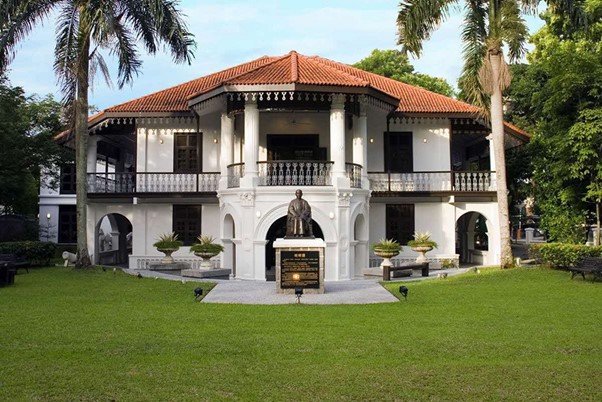
The South Seas Society is a prominent Chinese research association in Singapore, known for its contributions to the study of the history of Chinese communities in Southeast Asia.
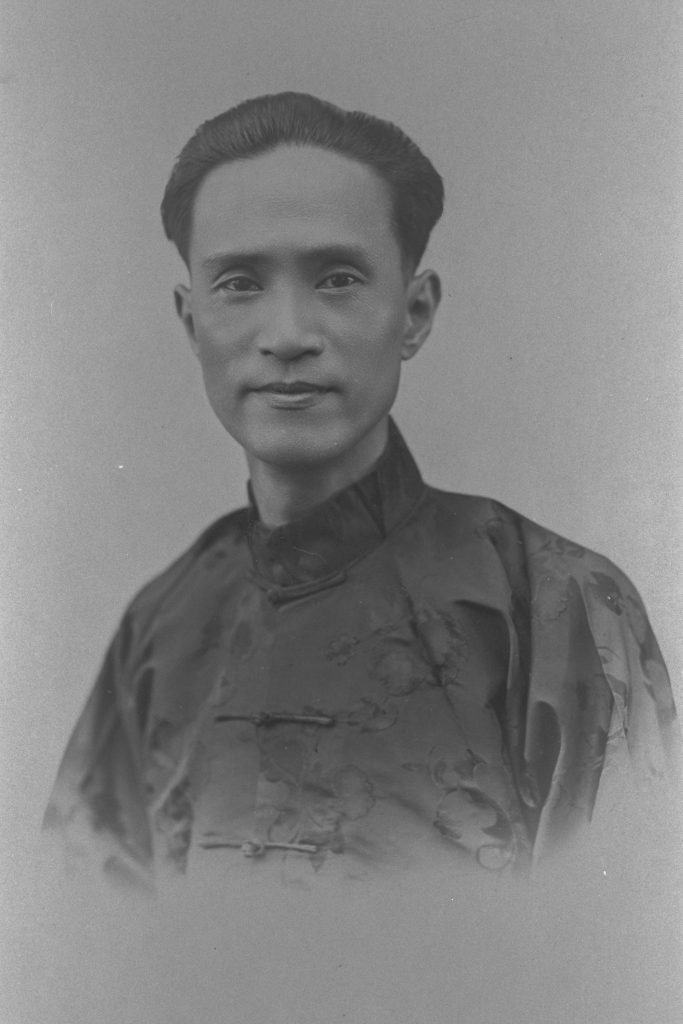
Closely linked to the press and academic community, South Seas Society’s story began when Sin Chew Jit Poh decided to publish Xingzhou shinian (Ten Years of Sin Chew) to mark its 10th anniversary in 1939. The book would document developments in Singapore and Malaya over the preceding decade and had to be completed within a year. Yao Nan (1912–1996), director of the newspaper’s publishing department, headed the editorial team, which included editor-in-chief Kwan Chu Poh (unknown–1942), Yu Dafu (1896–1945), Zhong Jiemin (1893–1964), Li Baozhen (birth and death years unknown), and Hsu Chunlin (1911–2000), while Chang Lee Chien (1900–1955) and Hsu Yun Tsiao (1905–1981) served as full-time editors. Several of them would go on to be founding directors and members of the South Seas Society.
In 1940, Yao Nan and Hsu Yun Tsiao, both deeply versed in the culture and history of Southeast Asia, joined the Malayan Branch of the Royal Asiatic Society, then the only academic body devoted to Southeast Asian studies. Its members were mostly colonial officials, alongside a few scholars, and the only Chinese members were historian Tan Yeok Seong (1903–1984) and clergyman Yeh Hua Fen (1900–1964) from Malacca.
On 17 March 1940, Yao Nan, Hsu Yun Tsiao, Chang Lee Chien, Yu Dafu from Singapore, Kwan Chu Poh, Lou Shih Mo (1889–1952) from Penang, and Lee Chan Foo (1899–1966) from Shanghai met at the Southern Hotel Restaurant and founded the South Seas Society. Many of the members were colleagues from Sin Chew Jit Poh. With Yao Nan as its standing director, the society focused on conducting research on Nanyang culture and was officially named the China South Seas Society.1
Journal of the South Seas Society
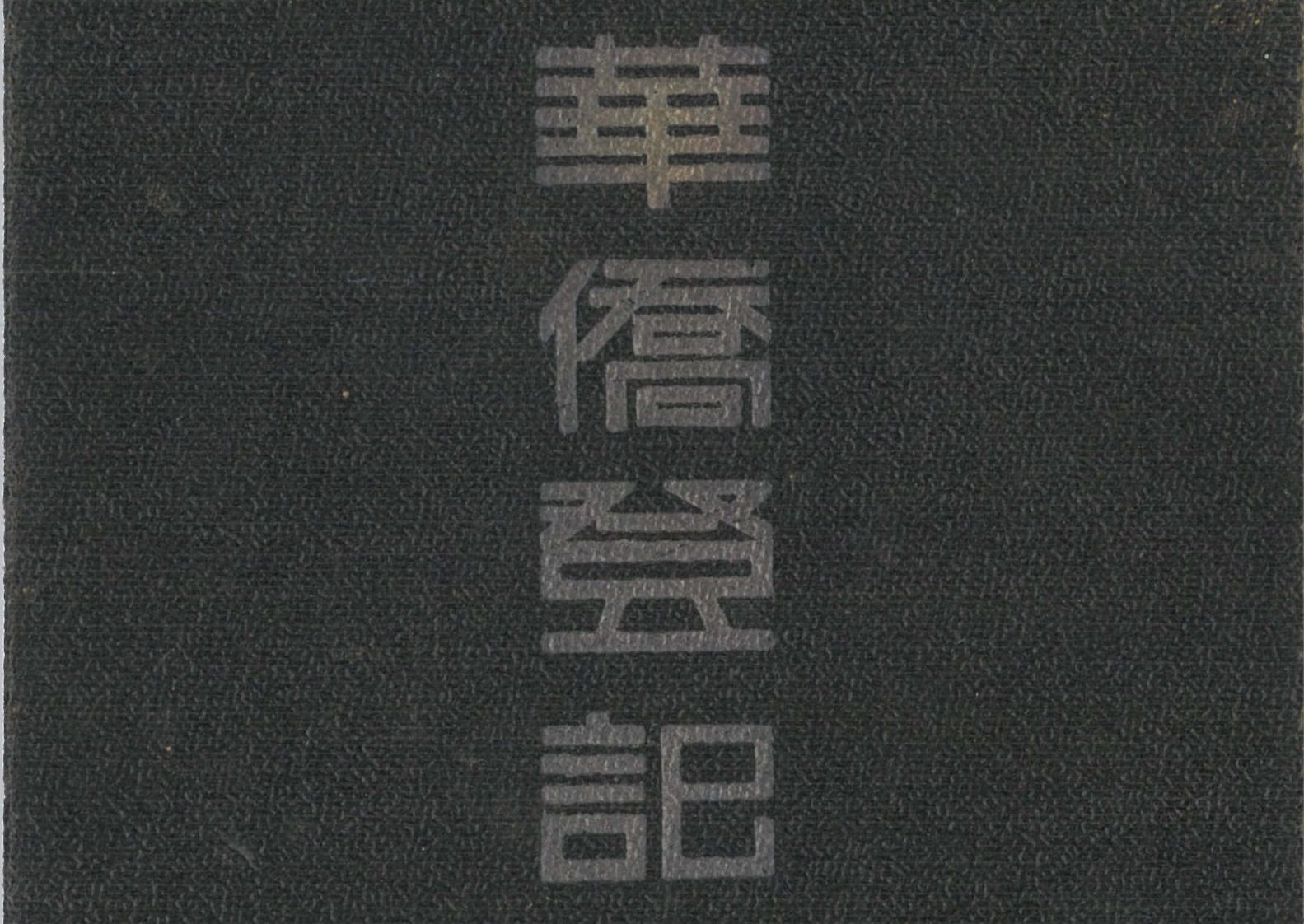
Shortly after, the society published the first issue of the Journal of the South Seas Society in June 1940. It was the first locally produced academic journal on Nanyang studies written primarily in Chinese. In the inaugural issue, Hsu Yun Tsiao, its editor-in-chief, wrote: “All academic aspects pertaining to Nanyang, whether language, biology, ethnicity, the arts, traditions and customs, economics, religion … may become subjects of our research.” To this day, the South Seas Society remains dedicated to the study of Southeast Asian affairs. Over the years, the journal’s editors-in-chief have included Wang Gungwu, Cheng Tsu-yu (1916–2008), Lee Ting Hui (1931–2023), Gwee Yee Hean (1929–2013), Choi Kwai Keong (1935–2023), Lee Lai To, Eddie Kuo (1940–2026), Chen Shouren, Yong Ching Fatt (1937–2019), Chin Chong Cham, Tan Eng Chaw, Lee Chee Hiang, Wong Sin Kiong, and Koh Chin Yee.
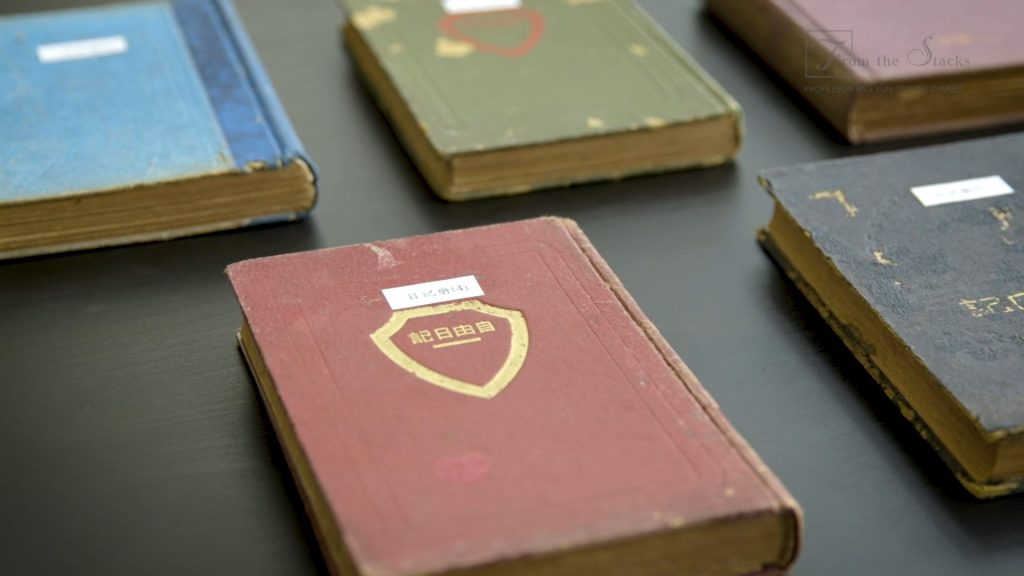
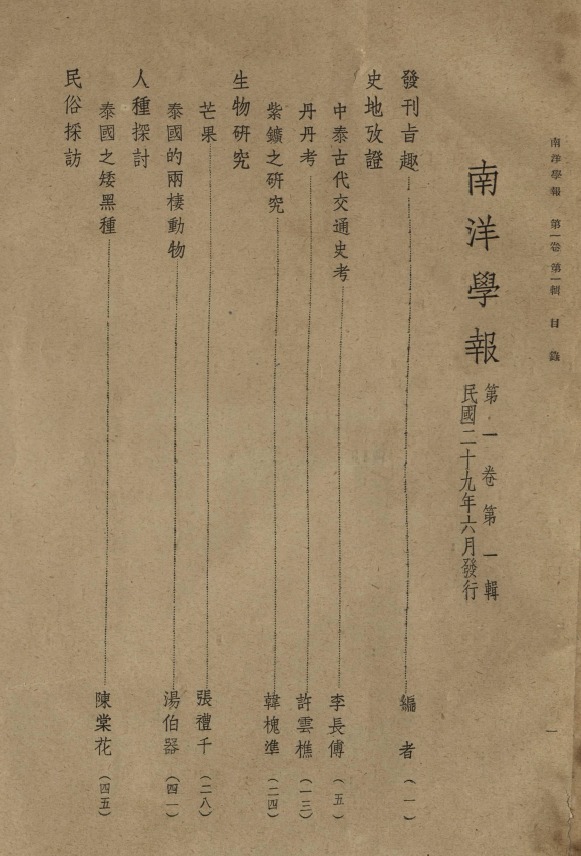
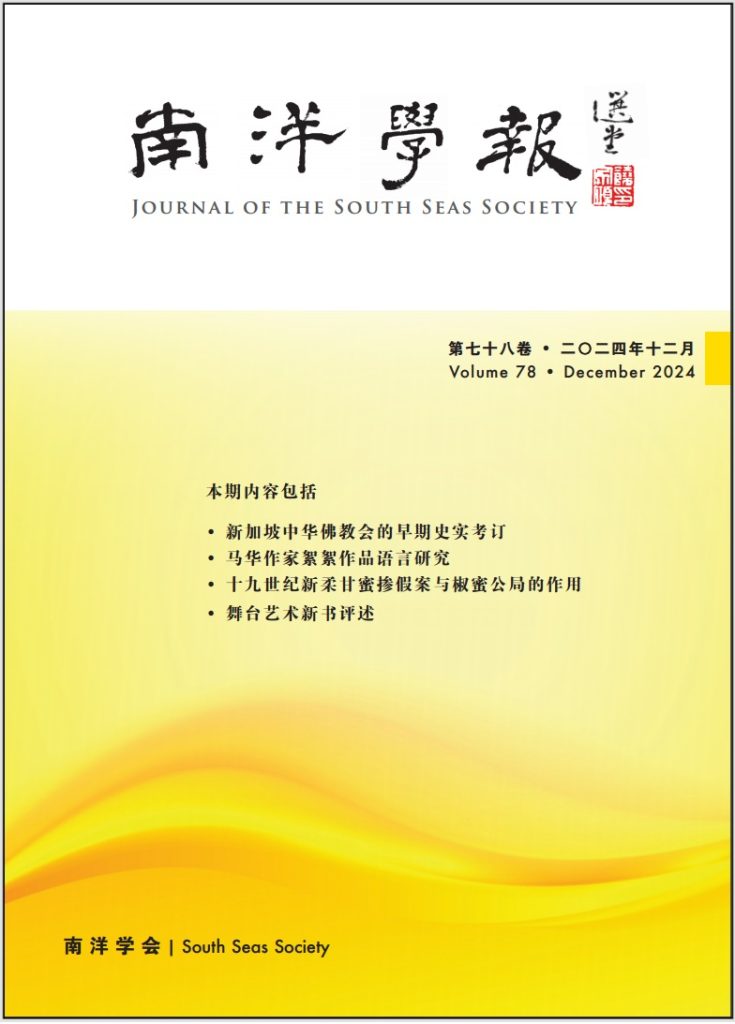
Amid calls for localisation in the mid-20th century, concepts and trends such as the Nanyang style of painting and Nanyang literature emerged in Singapore. In the realm of academic research, Nanyang studies began to take shape, with the Journal of the South Seas Society playing an influential role. During the journal’s first two decades, this Nanyang research tradition — comprising local scholars primarily writing in Chinese — drew the attention of the international academic community.2
In 1942, as the Japanese army advanced southwards, the China South Seas Society moved its operations to Chongqing, where directors Chang Lee Chien and Yao Nan, along with member Zhu Jieqin, kept it running. Although publication of the journal was suspended, academic research continued, and 10 volumes of the South Seas Society series were published between 1943 and 1948.3 After the war, the society resumed its activities in Singapore in 1947. Not only did it attract seven British and Malay scholars to its ranks, it also strengthened contact and academic exchanges with the Malayan Branch of the Royal Asiatic Society.
Amid the shifting geopolitical landscape and growing calls for independence across Southeast Asia, the group renamed itself the South Seas Society on 23 August 1958. A new council comprising only local members was formed. Wang Gungwu, who had studied in Britain and taught at the University of Malaya, took over as the editor-in-chief of the Journal of the South Seas Society. Even as the society expanded its global reach, it entrenched itself in the local community and increasingly focused its research on the history of Chinese communities in Singapore and Malaya.4
Other activities of the society
In addition to the Chinese and English editions of the Journal of the South Seas Society, the society launched the English-language Nanyang Quarterly in 1971. A total of 15 issues were published before it ceased publication in 1985. In 1982, the society also took over the publication of the Southeast Asian Journal of Educational Studies, producing 10 issues in total.
As at December 2025, the society had published 78 academic monographs. These include 10 volumes of the China South Seas Society Series, six commemorative anthologies, 11 special issues of the South Seas Society, and 51 volumes of the South Seas Society Series.
The society also hosts academic seminars and talks. Notable events include the 2010 seminar “Nanyang Studies: Past, Present, and Future”, which was jointly organised with the Department of Chinese Studies at the National University of Singapore; the 2019 international academic conference “Southeast Asian Chinese and the New Century”, marking Singapore’s bicentennial; and the 2025 symposium celebrating the 60th anniversary of Singapore’s independence. Since 2021, the society has worked with online media platform Singapore Eye to livestream its academic lectures, expanding its audience from around 100 on-site attendees to over 10,000 online viewers.
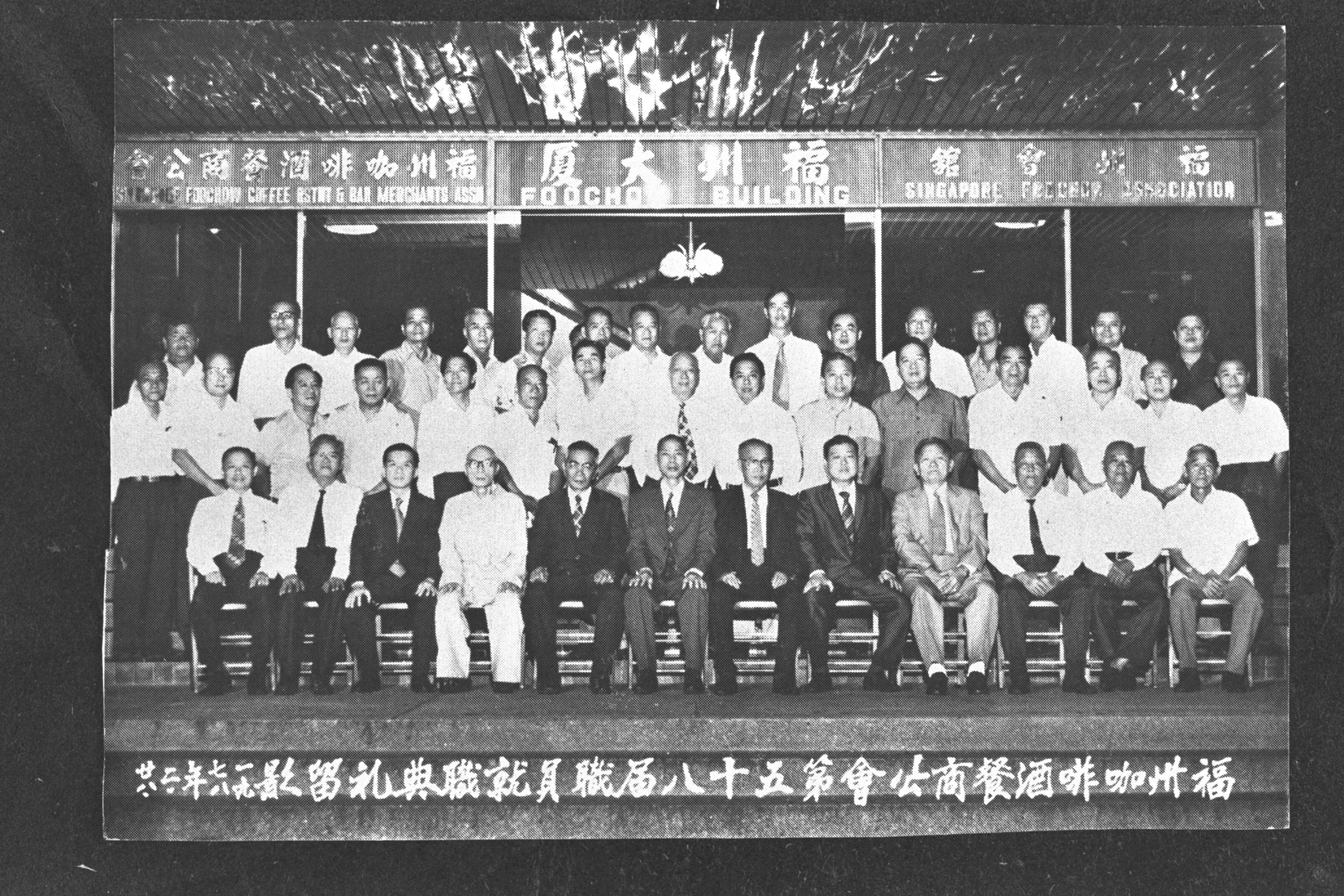
Following Yao Nan, the society’s heads have included Lou Shih Mo, Chang Lee Chien, Tan Yeok Seong, Lim Keng Lian (1893–1968), Wong Tok Sau (1912–1978), Huang Man Shi (also known as Huang Cong or Huang Mun Se, 1890–1963), Lien Shih Sheng (1907–1973), Gwee Yee Hean, Tan Eng Chaw, Koh Chin Yee, and Chua Soo Pong. Wang Gungwu, Yen Ching-hwang, and Tan Tai Yong have been among its academic advisers.
Throughout these changes, the society has maintained its mission: to promote the study of Chinese communities in Southeast Asia through research, publication, and academic exchange.
This is an edited and translated version of 南洋学会. Click here to read original piece.
| 1 | Journal of the South Seas Society 1, no. 1 (1940): 95. |
| 2 | Ng Chin-Keong, “Daonian Xu Yunqiao laoshi” [In memory of teacher Hsu Yun Tsiao], Journal of the South Seas Society 37, no. 1 & 2 (1982): 46. |
| 3 | Tan Eng Chaw, “Nanyang xuehui duoyuanhua, bentuhua yu nianqinghua de jincheng: Daixu” [The process of diversification, localisation, and rejuvenation of the South Seas Society: Foreword], in Nanyang yanjiu: Huigu, xianzhuang yu zhanwang [Nanyang Studies: Past, present, and future] (Singapore: South Seas Society (Singapore), 2012), xiv. |
| 4 | Lee Chee Hiang, “Preface,” in Nanyang yanjiu: Huigu, xianzhuang yu zhanwang [Nanyang Studies: Past, present, and future], v. |
Koh, Soh Goh. Nanyang xuehui yu nanyang yanjiu [South Seas Society and Nanyang studies]. Singapore: South Seas Society (Singapore), | |
Lee, Chee Hiang, ed. Nanyang yanjiu: Huigu, xianzhuang yu zhanwang [Nanyang Studies: Past, present, and future]. Singapore: South Seas Society (Singapore), 2012. | |
Seah, Leander. “Chinese Identities between Localization and Globalization: The South Seas Society, Chinese Intellectuals in Singapore, and Southeast Asian Studies, 1958–1971.” The China Review 17, no. 3 (2017): 87–110. | |
Tan, Eng Chaw, ed. Nanyang xuehui chuban shukan zongmu (1940–2010) [General catalogue of books and periodicals published by the South Seas Society (1940–2010)]. Singapore: South Seas Society (Singapore), 2010. | |
Tan, Yeok Seong. Yeyinguan wencun [Collected writings from the Ya Yin Kwan]. Singapore: South Seas Society (Singapore), 1984. | |
Tay, Lian Soo, ed. Xu Yunqiao quanji [The complete works of Hsu Yun-Tsiao]. Kuala Lumpur: Soka Gakkai Malaysia, 2021. |