Bilingualism in Singapore Chinese literature


One of the most distinctive features of Singapore Chinese literature is its bilingual character. Shaped by a multicultural and multilingual society, this literary trait has evolved over time to reflect Singapore’s history and identity.
Early roots of bilingual works
Bilingualism in Singapore Chinese literature dates back to the pre-World War II era, when some writers of Chinese classical poetry began incorporating Malay words into their verses, creating a unique form of bilingual literature. The most notable example of this is the fourth poem of Khoo Seok Wan’s (1874–1941) six Xingzhou zhuzhi ci (“Bamboo-branch Verses” of Singapore): “Magan mamo ju can hao, mali mayin ren le tao. Xing wu jiukuang xuan maji, he fang sanma chi tongcao” (To eat and get drunk in a banquet gathering, come to play and enjoy it to the fullest. Don’t run riot after a bout and squabble, why don’t we share the same dish together?) In this verse, “magan” is the Chinese transliteration of the Malay word makan (eat), while “mamo” refers to mabuk (tipsy), “mali” to mari (come), “mayin” to main (play), “maji” to maki (curse), and “sanma” to sama (together). This unique blend of two languages reflected life in Nanyang or Southeast Asia, where various races lived side by side.
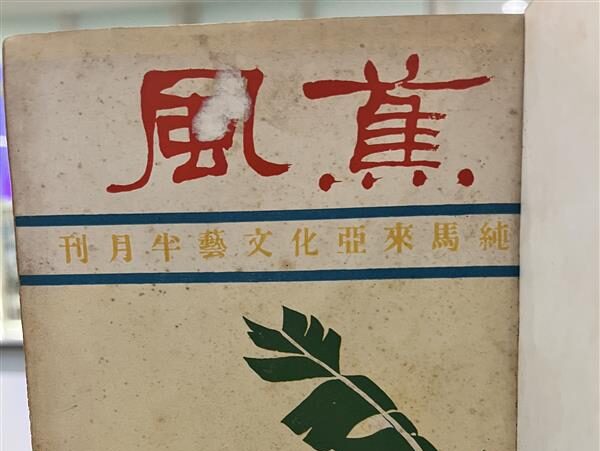
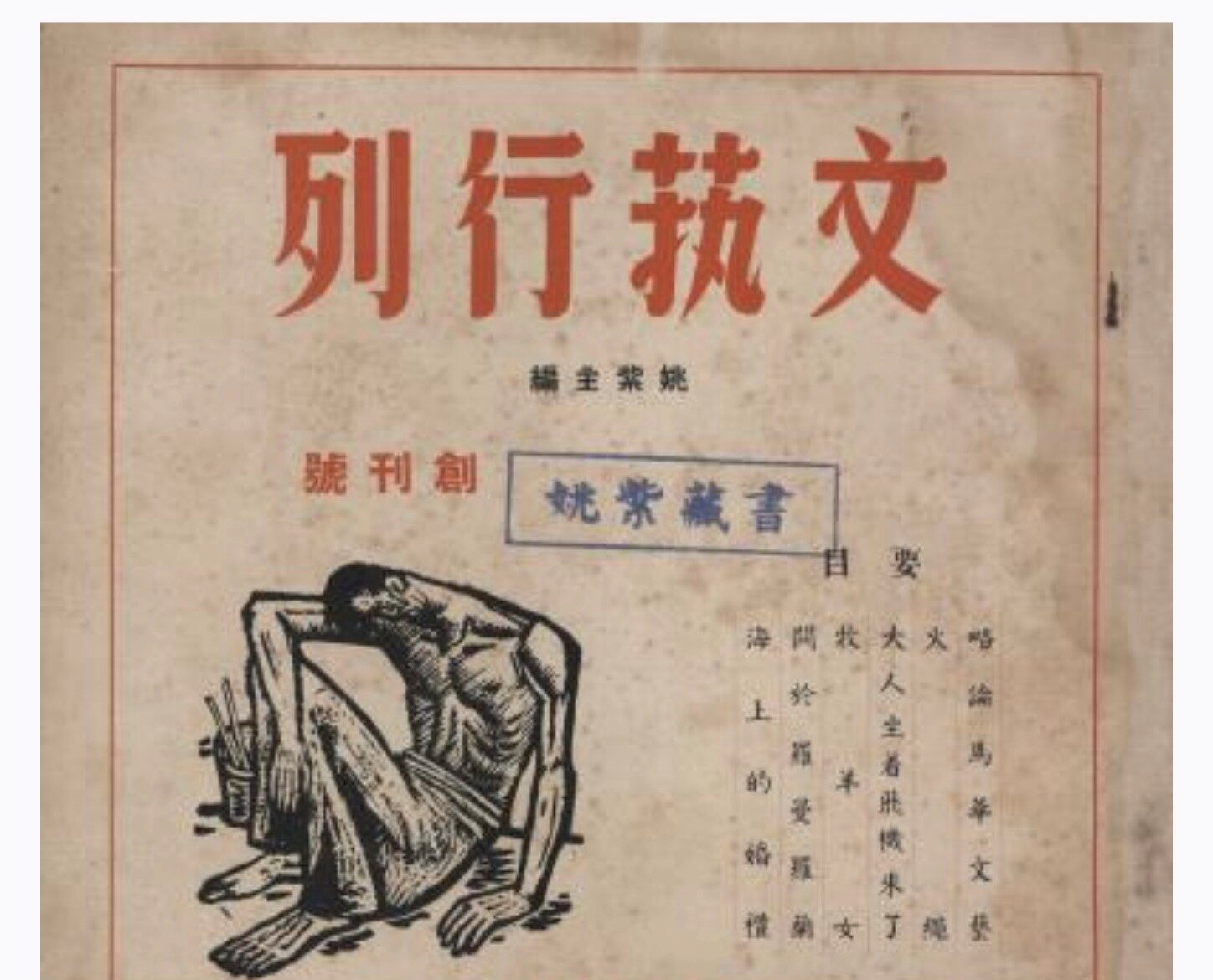
After World War II, Chinese immigrant writers began to embrace local identity, gradually accepting Singapore as their home. For example, Zhao Rong’s (1920–1988) novella A Zai de gushi (Ah Zai’s Story) features localised dialect expressions such as “羔呸乌” (kopi-o, meaning black coffee), “罗地” (roti, meaning bread) and “揾食” (wan sik, meaning to earn a living). The blending of Chinese with dialects, Malay and Tamil not only widened the gap between local Chinese literature and its linguistic origins in China, but also paved the way for literary works that were more distinctively Singaporean and multilingual.
New literary directions
Following Singapore’s independence in 1965, a distinct Singapore Chinese literature began to take shape. In the 1970s, the Singapore May Poetry Society was set up, drawing inspiration from the modernist movement in Taiwan. First-generation modernist poets, such as Lin Fang (1942–2021), Nan Zi, and Wen Kai, frequently incorporated English and other foreign nouns and phrases, as well as Western literary styles, into their works. For instance, Lin Fang’s poem Haiyang de jiaoxiang (Symphony of the Ocean) reads: “Ni ji ALPHA, guo chilie de huoyan yu jiaoliang de guang yu xinzhong … ni ji OMEGA, zhengkai fu bishang de juling zhi qianyan” (You are ALPHA, bearing within your heart blazing flames and radiant light … You are OMEGA, reopening the thousand eyes of the giant spirit). Notably, these poets did not abandon tradition but continued to draw from cross-cultural sources such as classical Chinese poetry and the Malay quatrain form known as pantun.

The bilingual features of Singapore Chinese literature are the result of a multiracial, multicultural and multilingual society. Writers draw from myriad influences: Eastern literary schools of thought from China, Hong Kong and Taiwan; Western works, schools of thought and post-colonial influences; and literary forms of Malay, Tamil and Chinese dialects in the Nanyang region. Together, they shape literary works that are uniquely Singapore in themes, content, forms and linguistic styles.
A distinctive voice
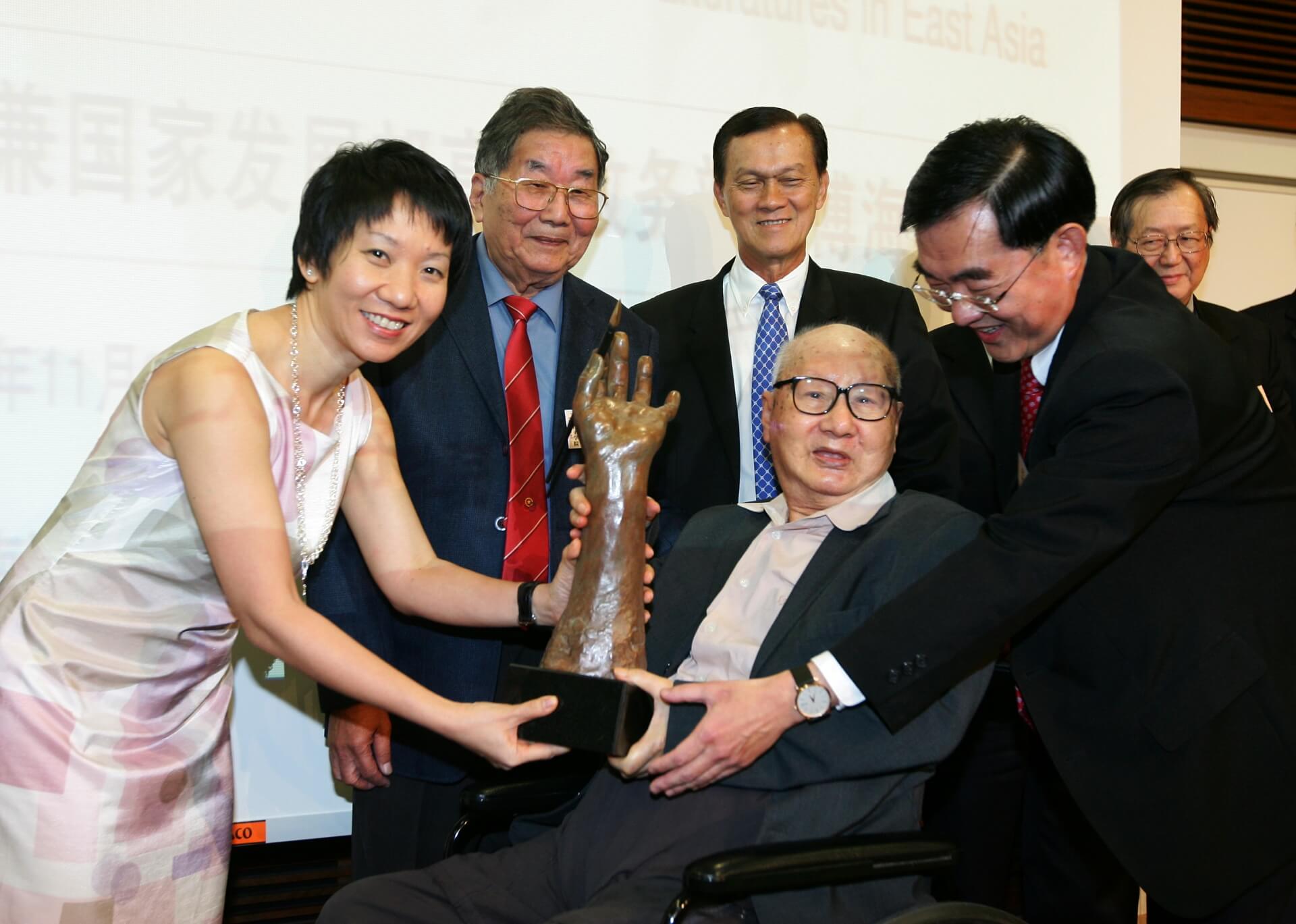
As English became Singapore’s dominant language towards the end of the 20th century, experiments with Chinese-English bilingualism in Chinese literature grew bolder. This was particularly evident in the works of two Cultural Medallion recipients, Yeng Pway Ngon (1947–2021) and Xi Ni Er. For instance, Yeng incorporated extended passages from T. S. Eliot’s The Waste Land into his Chinese poem Siyue (April). Chinese and English passages alternate throughout the piece, juxtaposing Eastern and Western imagery — such as placing “God” alongside “Buddha” and “church” alongside “temple” — to create a work that is both bilingual and bicultural. Likewise, Xi’s pictorial poem Lost is a striking example of these dual traits. It begins with the Chinese characters for “月” (yue, meaning moon), “日” (ri, meaning sun), “河” (he, meaning river) and “山” (shan, meaning mountain), tracing their evolution through thousands of years before concluding with the English word “LOST”. This structure reflects a journey back to the roots of Chinese culture while highlighting the dominant position of Western culture and English language in Singapore today, as well as the “lost” of Mandarin in the process.

The bilingual and bicultural nature of Singapore Chinese literature is ultimately a product of the nation’s multicultural society and bilingual education system. Writers draw extensively on Eastern and Western cultural influences to create works that are distinct from other Chinese literature around the world. As Singapore continues to evolve as a multilingual society, this tradition of bilingual literature will grow, providing an even richer source of literary study and expression.
This is an edited and translated version of 新华文学中的双语文学. Click here to read original piece.
Luo Ming. Xinjiapo huawen zuojia zhuanlüe [Biographies of Chinese Singaporean authors]. Singapore: Singapore Literature Society, Singapore Association of Writers, Bukit Timah Literary Centre, 2005. | |
Thumboo, Edwin. “Writers’ role in a multi-racial society.” Singapore Spectrum 1, no. 2 (1978): 1–4. | |
Wong, Meng Voon and Wong Yoon Wah. Xinhua wenxue zuopinxuan [An anthology of Singapore Chinese literature]. Singapore: Singapore Association of Writers, 1983. | |
Wong, Meng Voon and Xu Nai Xiang, eds. Xinjiapo huawen wenxueshi chugao [Draft on the history of Singapore Chinese literature]. Singapore: National University of Singapore Department of Chinese Studies, Global Publishing, 2002. | |
Zhu, Chongke. Kaogu wenxue “nanyang” — xinma huawen wenxue yu bentuxing [Archaeology on literary “Nanyang” nativeness and Chinese literature of Malaysia and Singapore]. Shanghai: Sanlian Bookstore, 2008. |