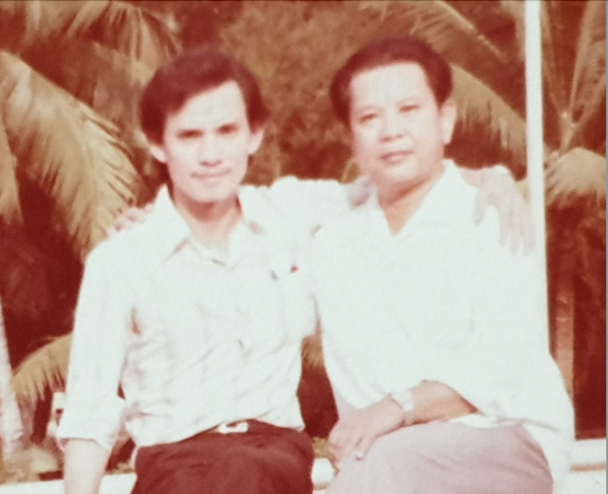
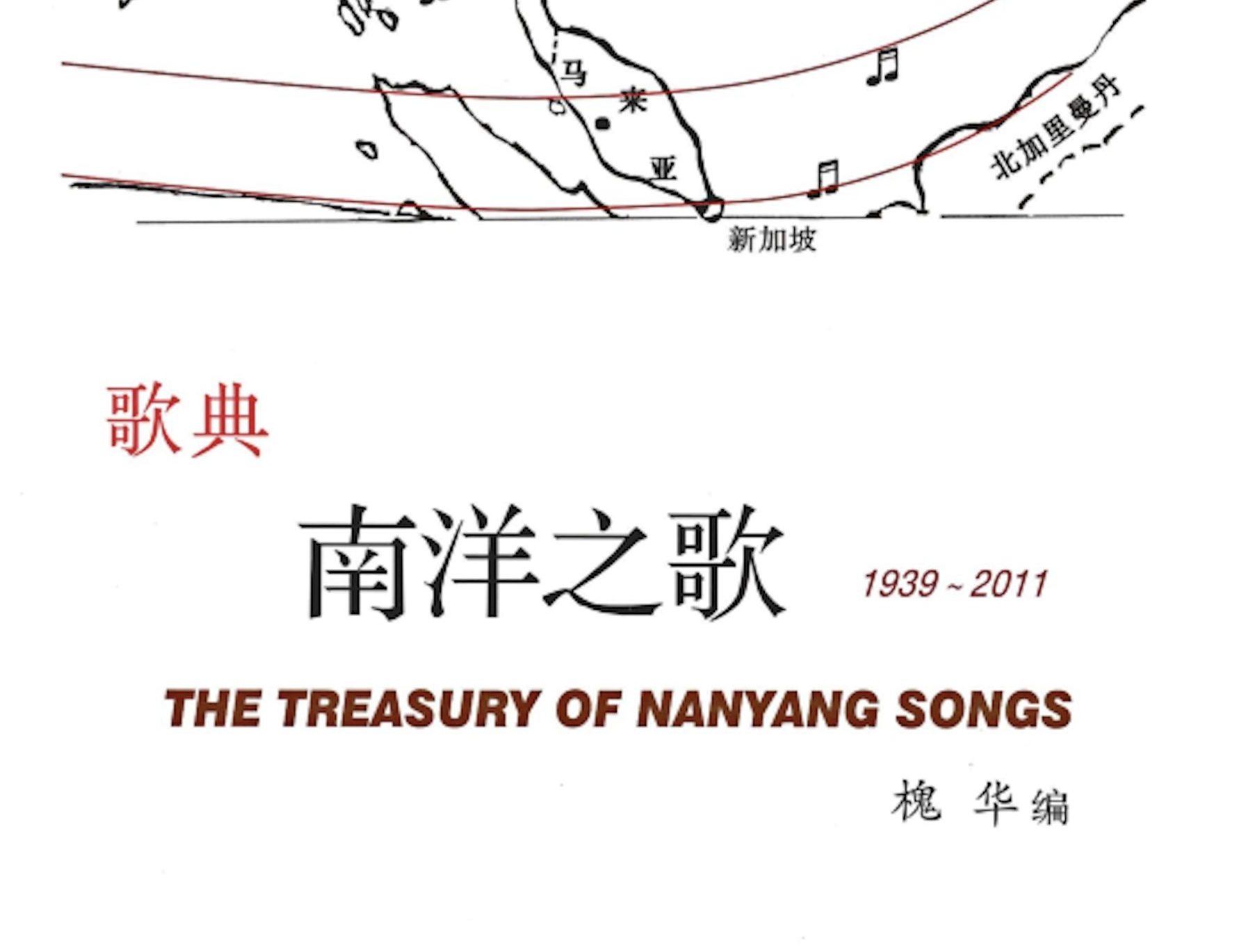
Pioneer musician: Tay Teow Kiat


Tay Teow Kiat is a renowned local conductor of Chinese orchestral music. He received his PhD in Art Studies from Beijing Normal University, and has held numerous key positions in the field over the years, including President of the Singapore Chinese Music Federation, Music Director of the City Chinese Orchestra and Dunman High Performing Arts Centre, Emeritus Music Director of Ding Yi Music Company, as well as Music Director of Reverberance, a Chinese wind percussion ensemble. In 1993, he was awarded the Cultural Medallion — the first Singaporean conductor of Chinese orchestral music to receive the award. In 2017, Tay was awarded the Outstanding Contribution Award by the Composers and Authors Society of Singapore (COMPASS). He was honoured by the local Chinese cultural community in 2022 when he was conferred the Singapore Chinese Cultural Contribution Award by the Singapore Chinese Cultural Centre.
Start of conducting journey
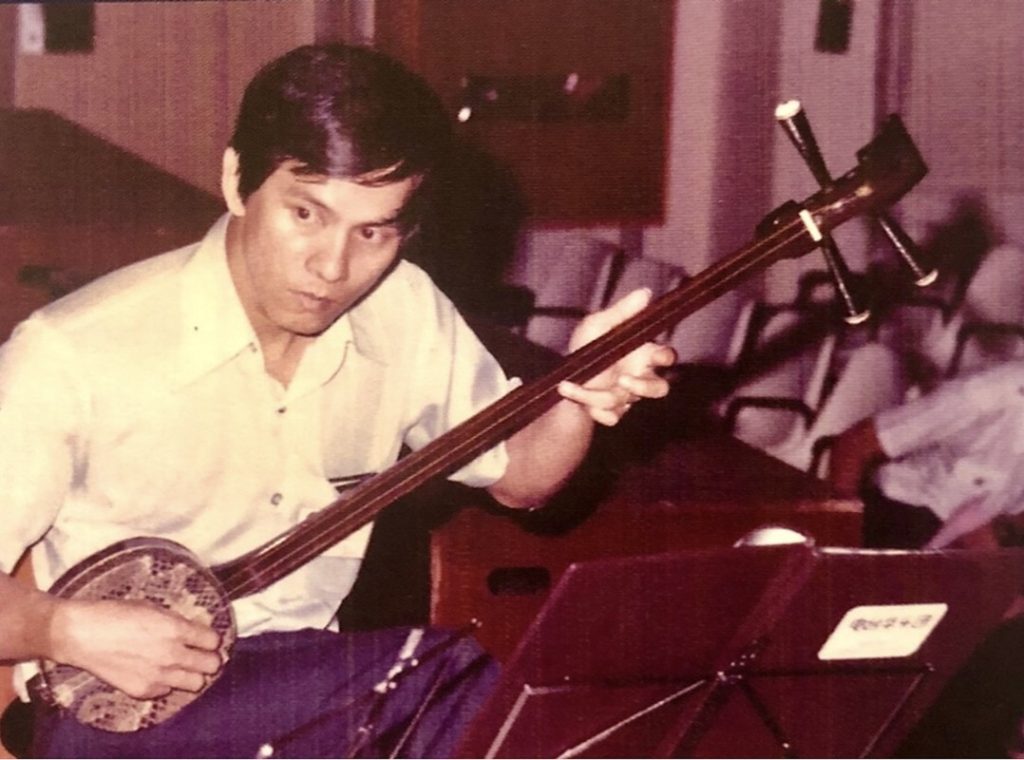
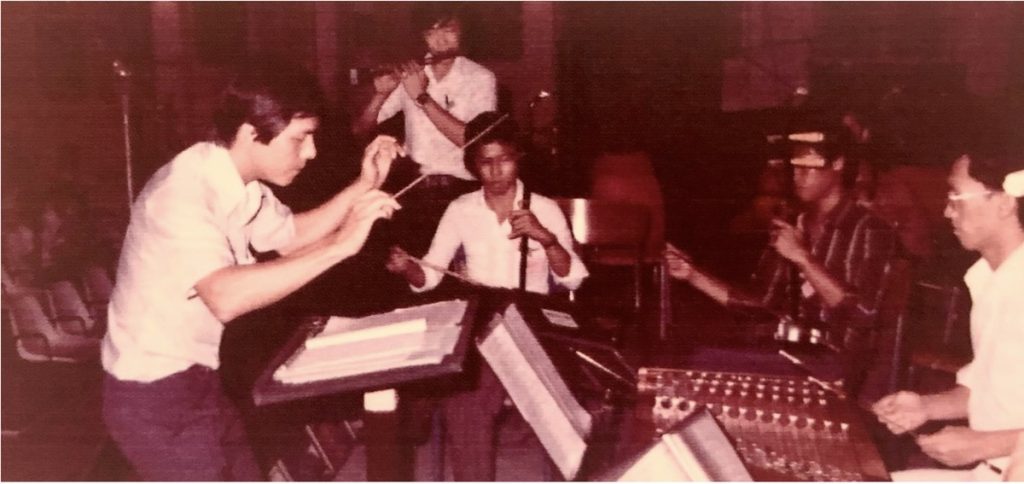
Born in 1947 in Singapore, Tay grew up in a family with no musical background. He learnt to play the mandolin by chance as a child, and picked up the sanxian (a three-stringed instrument) in his youth. His interest in Chinese orchestral music developed when he was studying at Chung Cheng High School. After completing his pre-university education, he enrolled in the Teachers’ Training College. In the 1970s, he began conducting the Chinese orchestra of Chuan Sing Music Society. In 1974, he was asked to set up and train the Radio Television Singapore Chinese Orchestra (later renamed the Singapore Broadcasting Corporation Chinese Orchestra, the predecessor of City Chinese Orchestra). In 1980, he restructured the Chinese orchestra at Dunman Government Chinese Middle School, now known as the Dunman High School Chinese Orchestra.
Tay’s conducting style is known for its rigour, precision and passion. In 1999, through the arrangement and recommendation of sanxian expert Li Yi (1932–2019) from the Shanghai Conservatory of Music, Tay honed his skills in conducting under renowned Chinese conductor Cao Peng. It took him just six months to learn the art. Hence, he can be said to be largely self-taught.
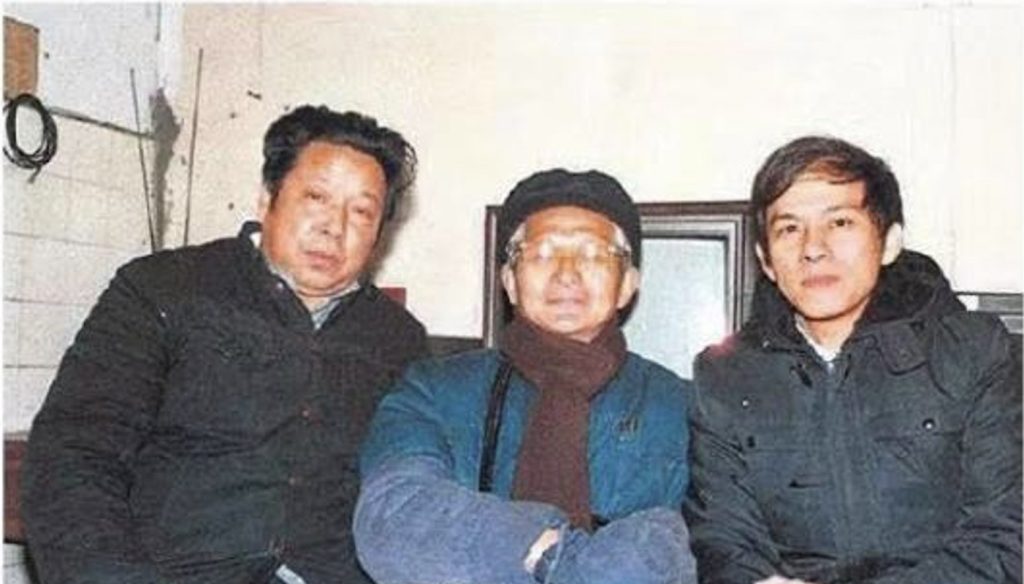
Tay was the first Singaporean invited to conduct a professional Chinese orchestra in China. On 6 November 1985, Li arranged for Tay to conduct the Shanghai Chinese Orchestra before more than 200 notable personalities in China’s music and cultural circles. The performance was well-received and regarded as a significant event in the music scene. In a music career spanning half a century, he travelled around the world as a guest conductor and adjudicator in music competitions, holding an important position in Chinese music circles.
Lifelong devotion to Chinese orchestra
Dedicating his whole life to promoting Chinese orchestral music, Tay has nurtured many outstanding young musicians and conductors.
He set up the amateur City Chinese Orchestra in 1974, and revamped Dunman High School Chinese Orchestra (established in 1973) when he was handed the baton in 1980. Over the years, the two large-scale orchestras with over 100 members each have grown steadily. They have toured Southeast Asia and many cities in China, staging a wide variety of concerts and performing over 1,000 Chinese orchestral music pieces of diverse styles and genres. Tay’s years of hard work and practice, anchored on his “amateur group, professional spirit” philosophy in training Chinese orchestras, have injected much vitality into the Chinese music scene in Singapore.
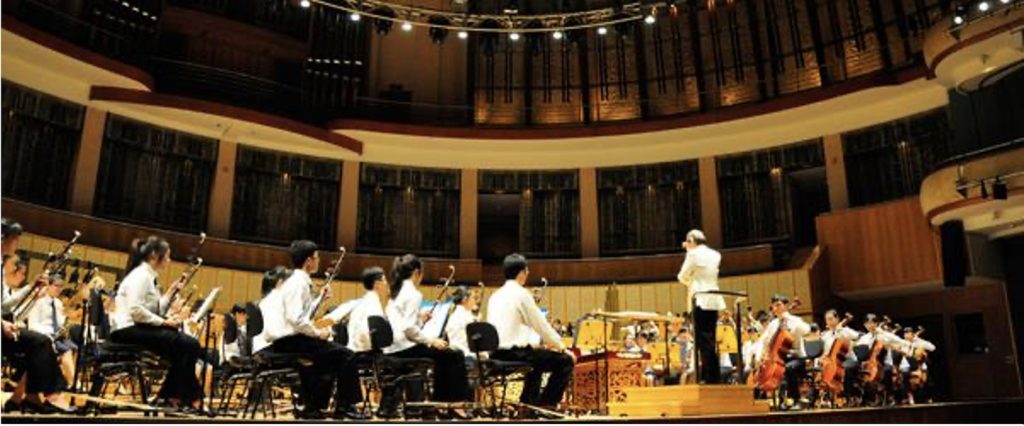
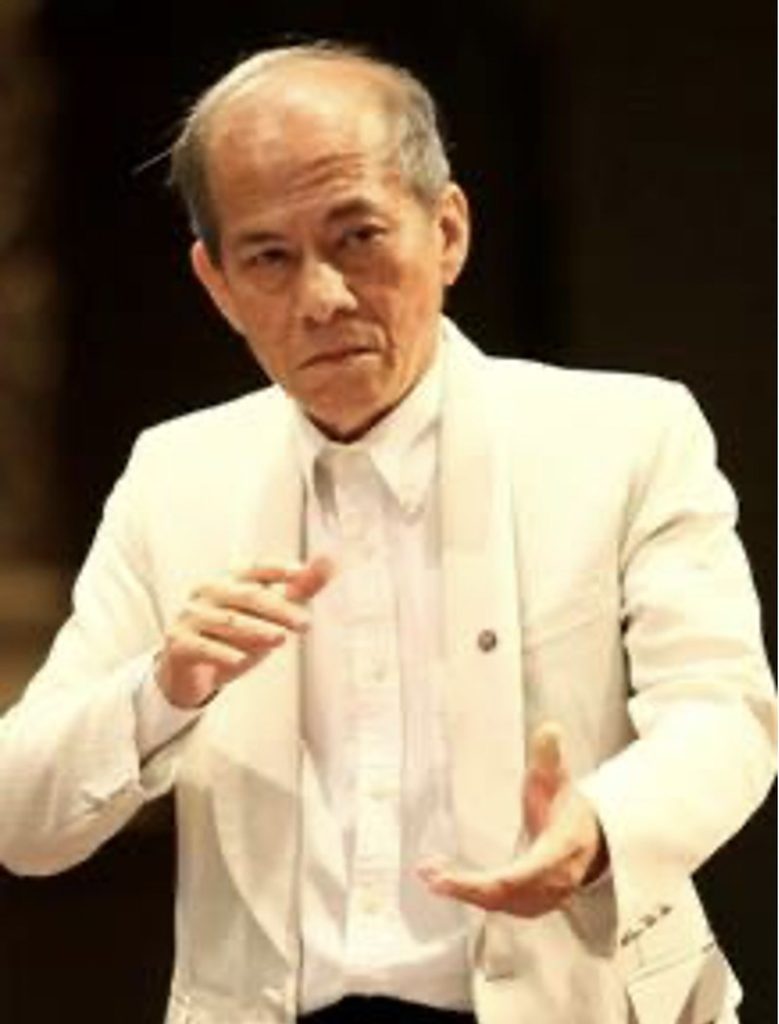
While Tay is not exactly an outgoing person and has no formal training in conducting, he possesses a remarkable ability to lead and inspire an orchestra. He once said, “Conducting is easy, yet one can spend a lifetime learning it and never truly master it. If it’s just about setting the tempo, that’s not difficult, many people can stand on the podium and do that. But conducting is not merely about beating time; it’s about using your eyes, facial expressions, and hand gestures to inspire the musicians and unify their emotions, so that they will erupt at the same time.”
The art of conducting requires holistic artistic sensibility. Every note must be infused with genuine emotion, and the orchestra be controlled in a manner that is firm but not harsh, gentle but not sluggish. This is the goal that Tay has tirelessly pursued all his life.
This is an edited and translated version of 先驱音乐家:郑朝吉. Click here to read original piece.
Chor, Poh Chin. “Tay Teow Kiat.” Singapore Infopedia. | |
Li, Minxiong. “Huayue zai xinjiapo” [Chinese orchestral music in Singapore]. Renmin yinyue [People’s Music] Z1 (1994), 70–71. | |
Ling, Hock Siang. Shiyu xia de xinjiapo huayue fazhan lujing [Overview of the development of Singapore Chinese music]. Singapore: Singapore Chinese Music Federation, 2023. | |
Piao, Dongsheng. “Zheng Chaoji yu huayue” [Tay Teow Kiat and Chinese orchestral music]. In Minyue jishi wushi nian – longxiang longyue wei liao qing [Fifty years of Chinese orchestra], 168–171. Beijing: China Wenlian Press, 2003. | |
Tay Teow Kiat, oral history interview by Teo Kian Giap, 9 February 2010, transcript and audio. National Archives of Singapore (accession no. 003468), Reels 1–8. | |
Woo, Mun Ngan. “Zheng Chaoji you yishuang hui shuohua de shou” [Tay Teow Kiat and his expressive hands]. Lianhe Zaobao, 11 March 2008. |