Henghua food in Singapore


The Henghua people, associated with humble, noodle-heavy fare and seafood, are a minority Chinese dialect group in Singapore.1 Also known as Henghwa, Hinghwa, Hinghua, and Xinghua, they hail from the coastal region of Putian in Fujian province, China, flanked by the cities of Fuzhou, to the north, and Quanzhou, to the south. Home to the estuary of the Mulan River, it has long benefitted from fertile soil and an abundance of fruit such as lychees, longans, loquat, red berries (bay berries), and shaddock pomelo. However, it was also historically plagued by floods, pirates, and — not least during the Qing dynasty — social unrest.2
To escape hardship, many Henghua people migrated to Singapore after the turn of the 20th century. They were among the last dialect groups to arrive on the island before World War II. By then, larger communities such as the Hokkiens (from the other Fujian cities of Quanzhou, Xiamen, and Zhangzhou south of Putian),3 Teochews, and Cantonese had established footholds in various industries on the island, meaning that Henghua immigrants carved out a niche in the less desirable occupations of rickshaw and trishaw pulling. They settled mainly in the Sungei Road area to the east of the Singapore River.
Food for the working man
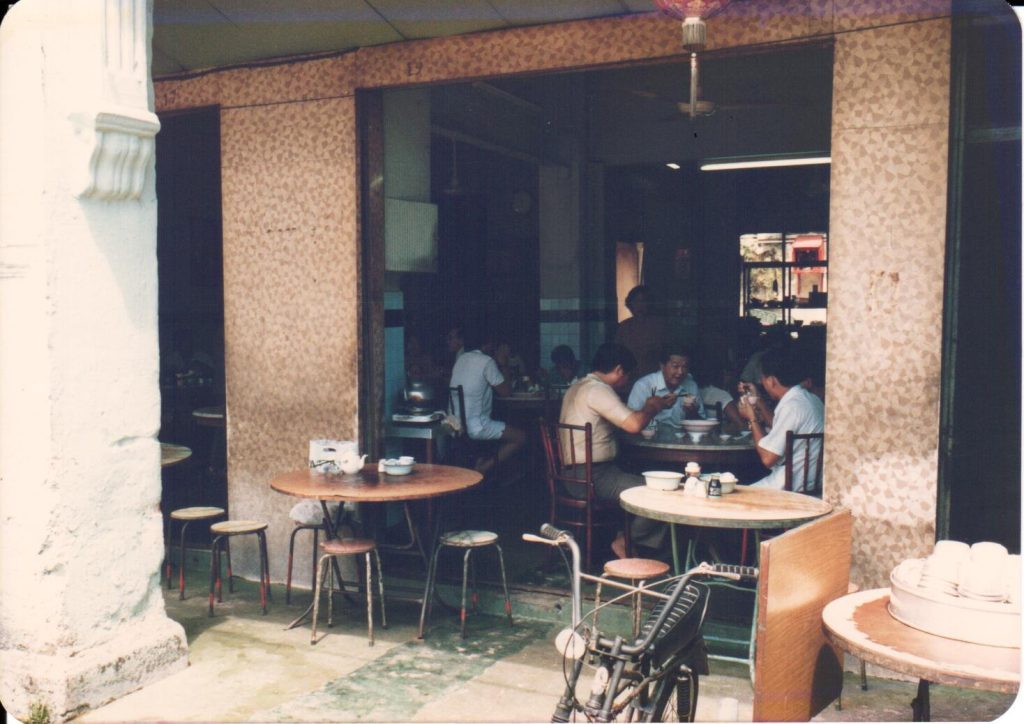
In the early days, many Henghua people living in Singapore were single men who had come to Nanyang in search of a better life. Eking out a humble living as rickshaw-pullers and labourers, they rented beds in hostels in the Sungei Road enclave, fortifying themselves with cheap — and filling — meals throughout the day.
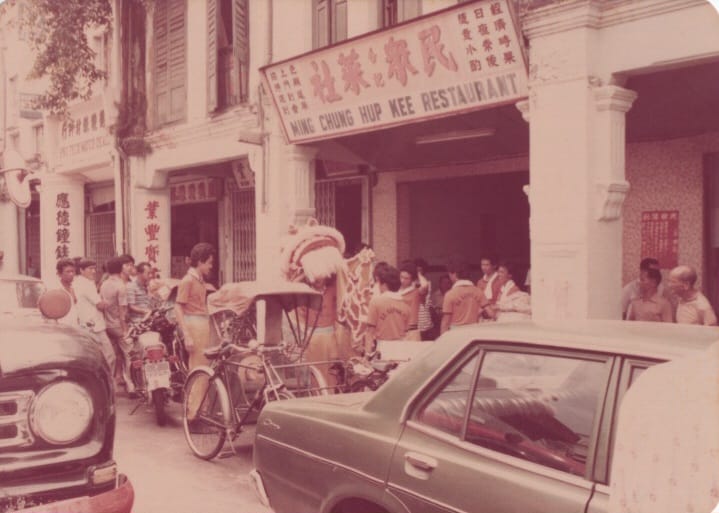
One of the eateries serving this community was Ming Chung Restaurant (then known as “Xin Chun Yuan Restaurant”), which opened in a shophouse on Weld Road in 1933. Founded by Putian immigrant Ho Ah Tong (unknown–1961), it was one of many Henghua establishments in the area. Before World War II, there existed no fewer than five Henghua restaurants, including two vegetarian ones, as well as Henghua provision shops and soy sauce businesses — such as Kian Heng Sauce Factory, run by the family of future property magnate Ng Teng Fong (1928–2010).4
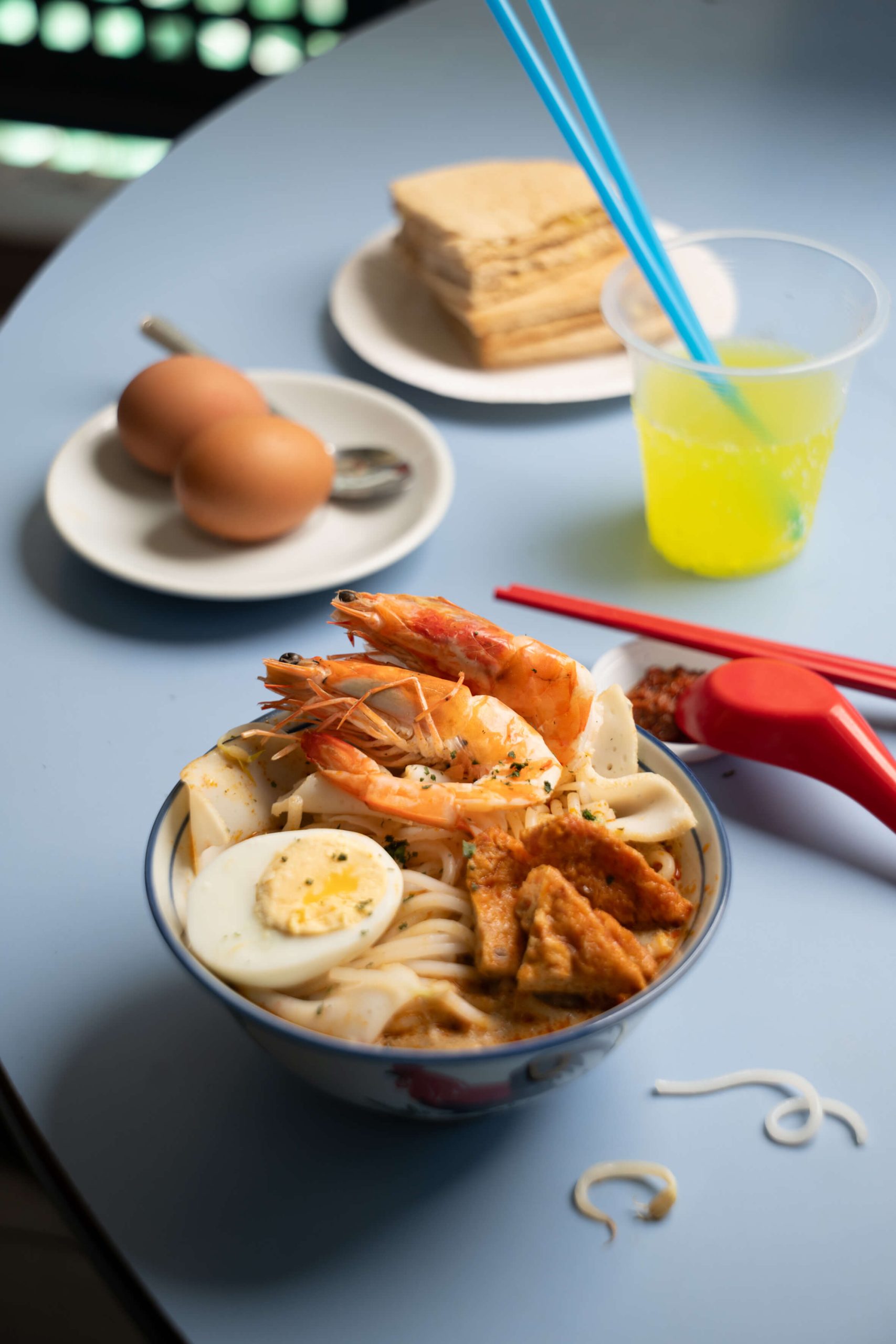
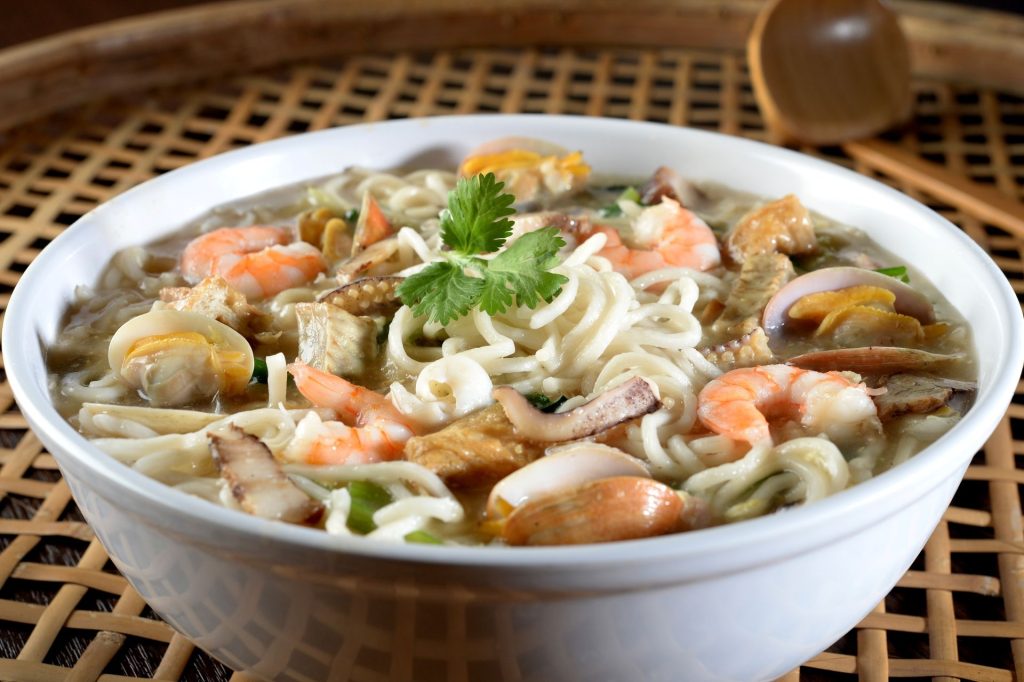
Because of the many rickshaw pullers who gathered in the area, the classic Henghua dish of lor mee earned the moniker of “rickshaw noodles” in early Singapore.5 Distinct from the dark, soy sauce-heavy Hokkien lor mee, Henghua lor mee is white in colour. The handmade wheat noodles (also known as pah mee, literally “battered noodles”) are braised in a flavourful stock with ingredients such as clams, oysters, prawns, scallops, mushrooms, cabbage, and pork.
Other dishes speak to the humble origins of the Henghua people. The most carbohydrate-dense Henghua staple is peh kueh (also known as nian gao), where pieces of glutinous rice cake — created for ancestral worship — are stir-fried with motley ingredients such as kailan, meat, mushrooms, and garlic sprouts: perfect for filling hungry stomachs.6 Meanwhile, chak hoon, consisting of broken wheat and rice vermicelli, is believed to have originated after the Japanese invasion of Putian, when hungry Henghua people swept up and cooked any broken noodles they could find on the floor.7
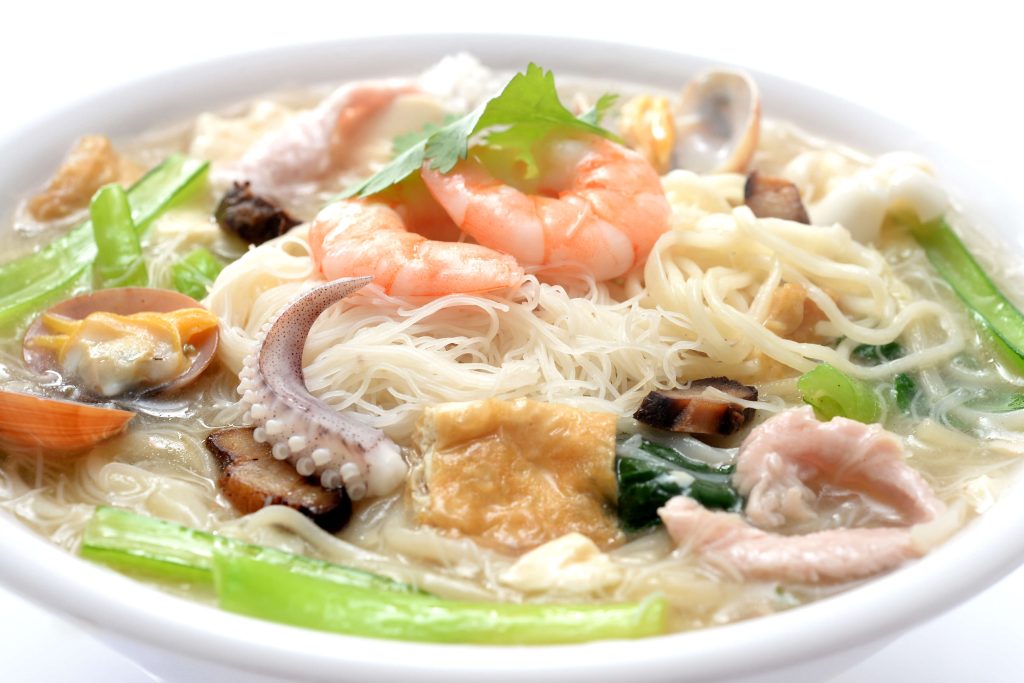
Then there is Henghua beehoon, an extremely thin type of rice vermicelli where each noodle is nearly as fine as a strand of hair. Unlike other types of beehoon, it does not need to be soaked in water before being tossed into the wok — the noodles are added to soup stock and cooked until the liquid dries up, allowing the vermicelli to soak up all the flavour. This beehoon is also thought to have emerged in times of hardship: becoming a Henghua dish after a Song dynasty official overseeing flood mitigation efforts in Putian taught the locals how to make beehoon.8 In the early days, men in Putian were said to have carried uncooked beehoon around with them as they went around looking for work, treating the vermicelli as “instant noodles” that could be eaten in a jiffy with the addition of hot water and some salt.9
For festive occasions such as Chinese New Year and birthdays, the Henghua people partake of meesua, also known as “Mazu noodles”, named after the sea goddess venerated in Putian. These long, thin wheat noodles represent longevity, echoed in the similarity between the Henghua words for “noodle” and “life”; and “long and thin” and “long life”. To eat a bowl of meesua is therefore to celebrate how one has lived to see another year. Chinese New Year meesua is often topped with seaweed, daylily, peanuts, snow peas, and egg, and traditionally eaten on not just the first, but also the fourth, day of lunar new year. This custom dates back to the Ming dynasty, when the people of Putian were attacked by Japanese pirates near the start of Chinese New Year. By the time the pirates had been chased away, and the villagers emerged from hiding and were ready to celebrate, much time had passed. In memory of this incident, they subsequently held their reunion dinner on the fourth day of new year, treating the fifth day as the start of the new year.10
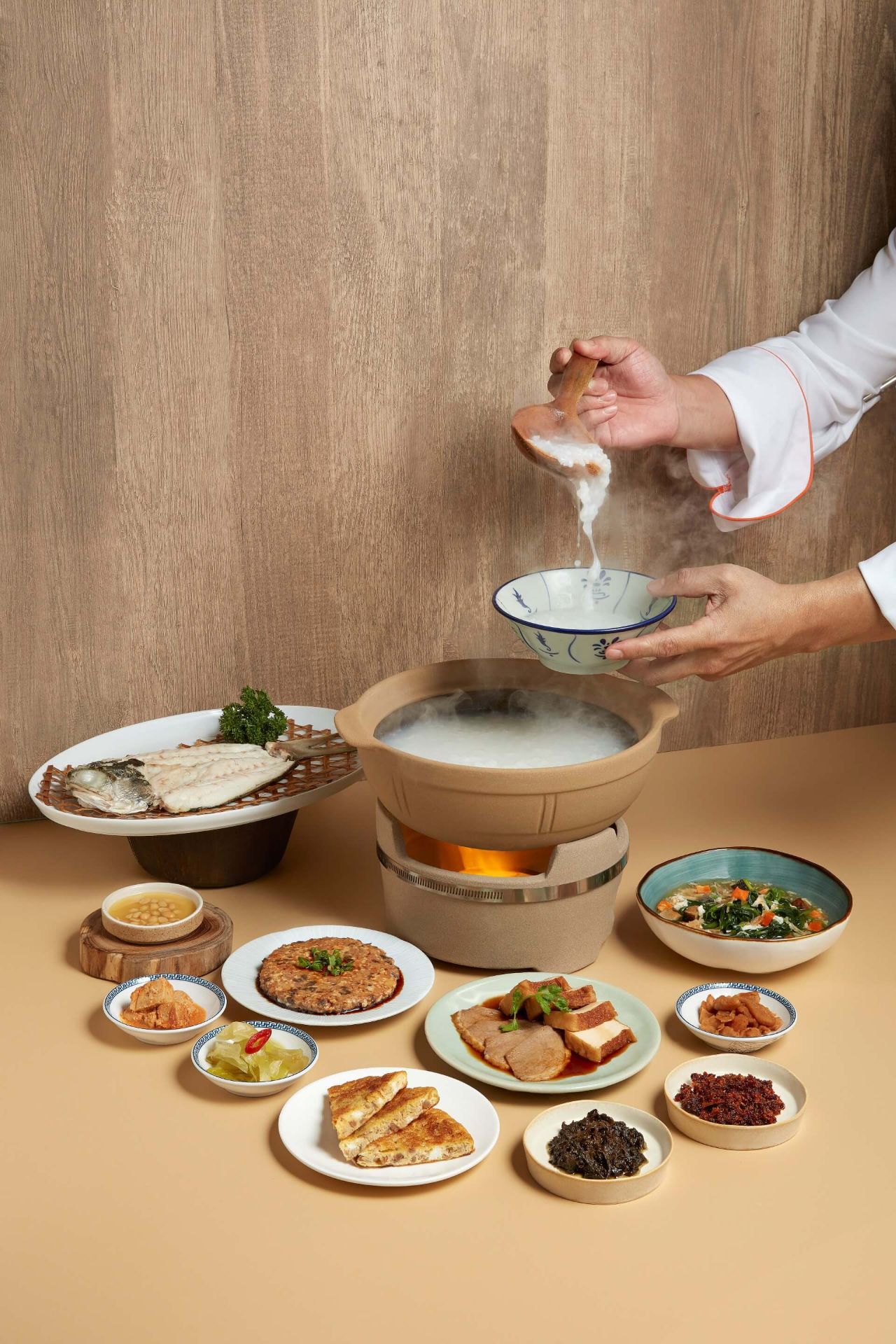
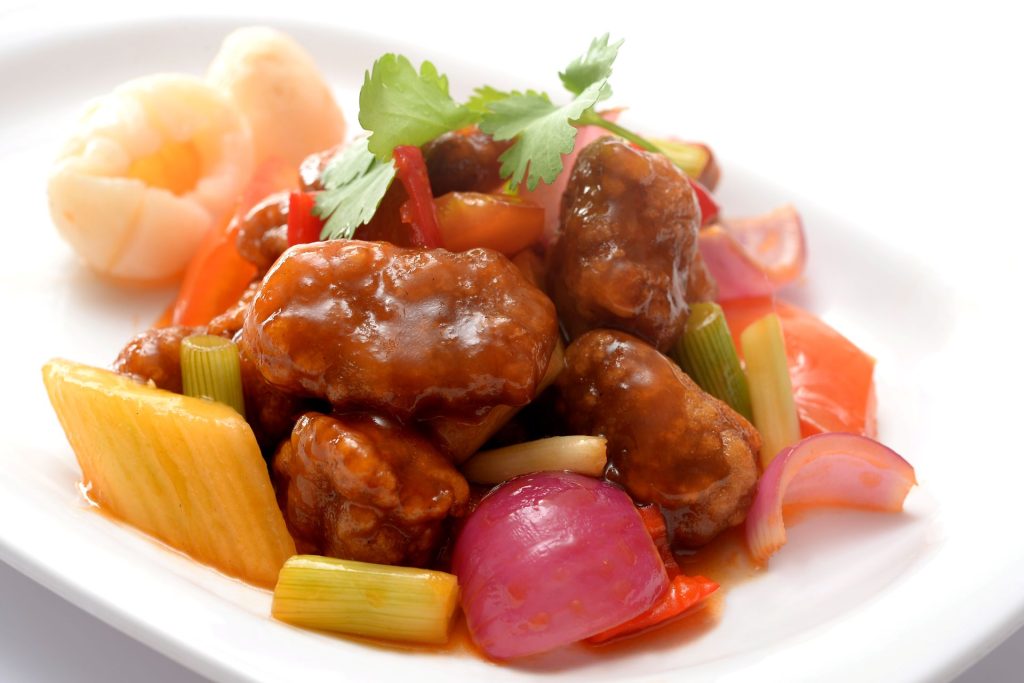
The aforementioned Henghua dishes of lor mee, meesua, beehoon, peh kueh and chak hoon can still be found in Singapore today, alongside other classics such as braised beancurd; kailan and beancurd skin; and “lychee pork” (similar to the Cantonese sweet and sour pork, and so named for their lychee-like shape). But the island’s diverse population, and the marginal status of the Henghua people relative to larger groups such as the Hokkiens, meant it was inevitable that their dishes would evolve, and in some cases, disappear. These changes were typically driven by the unavailability of certain ingredients in Singapore, the influence of mainstream local tastes, and the loss of culinary techniques to the ravages of time.
Evolution in Singapore
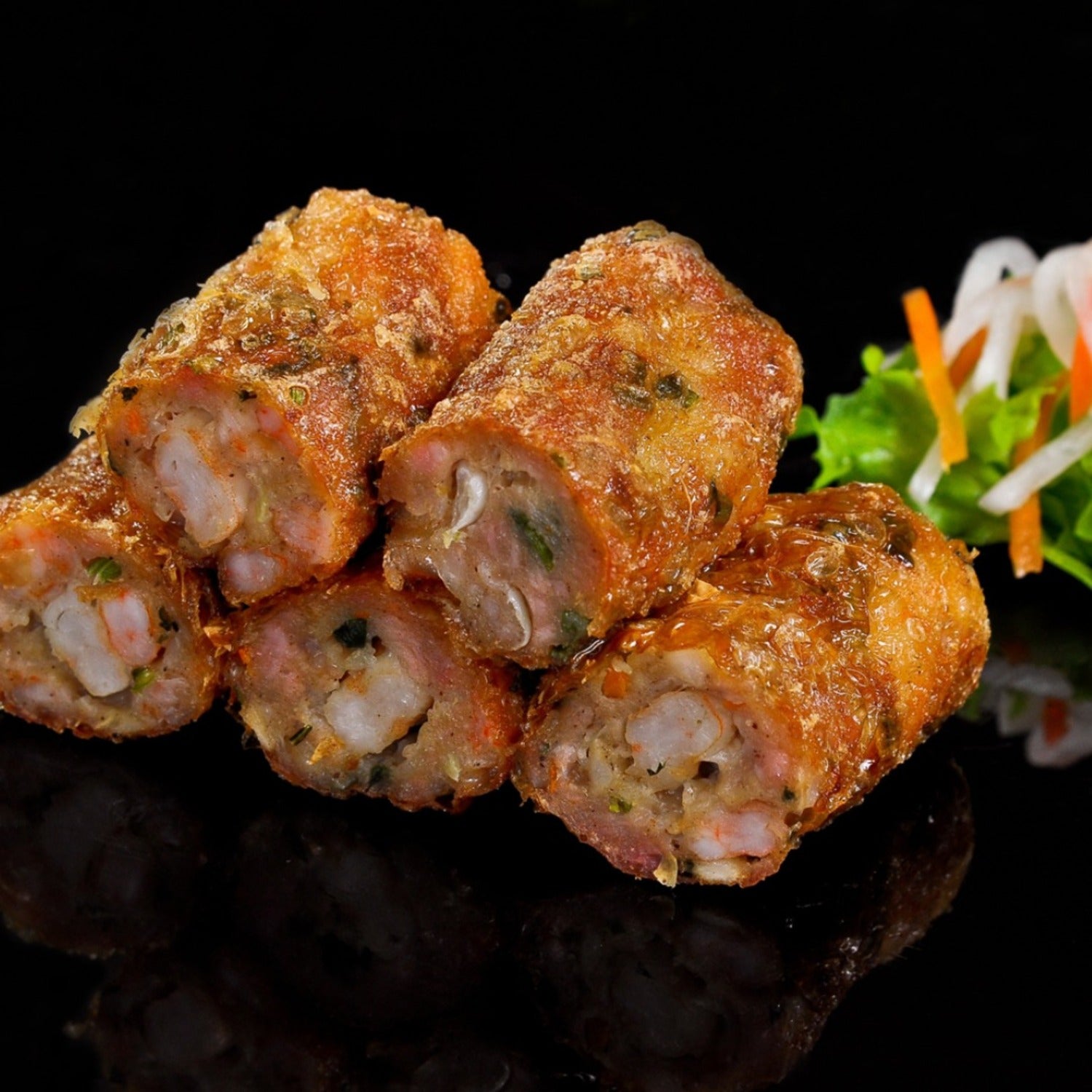
Several traditional Putian foods are no longer readily found in Singapore. Among them are the ang tuan, which is rounder and slightly larger than an ang ku kueh (red tortoise cake), and consists of red glutinous rice skin enclosing mung beans that still had their skins attached to them. The home-style dish of tau weh (beancurd ball), where minced beancurd, peanut and Chinese celery squeezed into a ball and served in soup, is also no longer commonly found.11 There are still more rare items: deep-fried Henghua oyster cakes, a popular street snack in Putian,12 are seldom seen in Singapore; ditto the specialty Henghua biscuits, made by Chinese artisans, which are offered to deities at the once-every-decade salvation ritual at the Kiew Lee Tong Temple in Bishan.13 Another uncommon dish is tian jiu wan qiang rou, where pork is coated in flour, cooked, and served in a broth.
Ming Chung Restaurant, the only pre-war Henghua restaurant from Weld Road that still exists today — albeit in nearby Maude Road, after the original site was cleared for redevelopment — has had to make a number of changes to its menu since 1933. Razor clams, which thrive in the nutrient-rich mud of Putian, were originally served with peh kueh, but omitted from the 1960s onwards, after they were deemed too expensive to procure.14 Furthermore, some Henghua specialist ingredients used by the restaurant in the past are no longer readily available today. Locally-made Henghua soy sauce (said to be saltier, with a stronger “bean” taste than Hokkien or Cantonese soy sauce) and Henghua tofu (containing larger air pockets that allowed the tofu to soak up soup like a sponge) were produced by the community in the 20th century, but such shops have since disappeared from Singapore.15 Ming Chung also used to sell “straw-bag rice”, rice steamed in straw, but scrapped it in the mid-20th century as it was too troublesome.
Given the dominance of other Chinese dialect groups in Singapore, the restaurant has adjusted its menu to suit their taste buds. While slices of pork in Henghua lor mee are simply blanched before being added to the noodles in China, they are braised in soy sauce and spices in Ming Chung to appeal to the local Chinese palate. And, in a variation of a traditional Chinese New Year style of meesua where the noodles are blanched before being topped with pre-cooked ingredients, Ming Chung offers fried meesua, where the noodles are blanched before being fried in a wok with fresh ingredients such as seafood, pork and vegetables. This method calls for thicker noodles that are less likely to turn mushy, thus they are sourced from Klang, Malaysia instead of Putian. Modifications were also made to the restaurant’s fried peh kueh, which is cooked with dark soy sauce, unlike the Putian variety — again, catering to local tastes.16 The ingredients are also fried with more intense heat than their Putian counterparts in order to achieve greater wok hei (Cantonese for the smoky, charred flavour from frying).17
Chilli, an integral part of Southeast Asian cuisine, is more common in the Henghua food of Singapore than that of Putian. Ming Chung fries its flower clams in chilli sauce. And over at the Putien chain of restaurants, a newer addition to the Henghua dining scene, diners help themselves to a Nanyang-inspired chilli sauce made inhouse — a tangy concoction of chilli, cincalok (a Malay condiment made from fermented shrimp), fish sauce, and lemon juice.18
The rise of Henghua cuisine
Founded by Henghua immigrant Fong Chi Chung in 2000, Putien has grown from a single outlet in Kitchener Road to about 100 outlets across Asia. Over the years, its emphasis on fresh, premium ingredients has elevated the humble fare of Henghua immigrants to that of fine dining. In 2016, the original Kitchener Road branch gained its first Michelin Star, a sign of the cuisine’s ascent in the international dining world.
Besides offering the usual classics, Putien restaurant has introduced Singapore diners to various premium ingredients from Putian, such as juicy razor clams from Duotou village; abalone from Nanri Island; loquat fruit from the town of Shufeng, which is added to a jelly dessert on the menu; and premium-grade sea salt.19 Red mushrooms, a rare mushroom found in the wild in Fujian’s Wuyi Mountains, are also added to some of Putien’s lor mee.20
The future of Henghua food in Singapore looks promising. There is greater awareness of the cuisine today compared to three decades ago, and in recent years, groups such as the Singapore Puxian (Hinghwa) Network — founded by Putien’s Fong in 2019 — have been actively promoting Henghua food. The 2024 Hinghwa Food & Cultural Festival, for instance, gave the public a taste of rarely-seen-in-Singapore Henghua dishes such as ang tuan, oyster cakes, tian jiu wan qiang rou, and pickled olive skewers. Furthermore, the emergence of other Henghua restaurants and stalls across the island, and as well as younger restaurateurs — such as Ming Chung’s fourth-generation chef, who works in one of the restaurant’s hawker stall offshoots — offer a further glimmer of hope that Henghua food will continue to survive in Singapore’s highly competitive, manpower-scarce dining scene.
| 1 | According to the 2020 population census, they make up about 0.9% of Singapore’s Chinese resident population. |
| 2 | Jason Ong, Hing Hwa: The History and Stories of the Hinghwa People (Singapore: Singapore Puxian [Hinghwa] Network, 2022), 156–169; 25–51. |
| 3 | Strictly speaking, “Hokkien” refers to the entire Fujian province. However, the term is synonymous in Singapore with southern Fujian (Minnan), to which many Singapore Chinese trace their ancestry. |
| 4 | Tan Shee Tiong, “For the sake of our sons,” The Straits Times, 25 August 1981. |
| 5 | Liew You Choo, “Wei min fuwu de la che mian” [Rickshaw noodles for the people], Lianhe Zaobao, 24 June 2007. |
| 6 | The older generation of Henghua people liked to have their peh kueh fried with ginger and white sugar. See Liew You Choo, “Baiguo shi niangao ye shi lachefu mishi” [Peh kueh is niangao, and also a rice-based food for rickshaw pullers], Lianhe Zaobao, 4 November 2007. |
| 7 | Jason Ong, Hing Hwa, 151–152. |
| 8 | “Wu fudan meiwei liangshi” [Fuss-free delights], Lianhe Zaobao, 22 July 2017. |
| 9 | Esther Yiu, “Putian xunwei, dang Fujian cai yu shang hao shicai” [In search of Putian flavours: when Fujian food meets good ingredients], Lianhe Zaobao, 22 June 2019. |
| 10 | The custom of celebrating new year again on the fifth day of Chinese New Year is no longer widely observed among the Henghua community in Singapore today. |
| 11 | Author’s interview with Peter Ho, director of Ming Chung Restaurant, on 19 August 2025. Peter, who runs the business with his family, is the grandson of its founder Ho Ah Tong. |
| 12 | Jason Ong, Hing Hwa, 153. |
| 13 | Eista Lee, “Lao shouyi bendi shichuan, putian shifu guo guofan zhuzhen” [As local skills wane, Putian artisans arrive to carry on the tradition], Lianhe Zaobao, 18 August 2024. |
| 14 | See Liew You Choo, “Baiguo shi niangao ye shi lachefu mishi.” |
| 15 | Author’s interview with Peter Ho, 19 August 2025. |
| 16 | Liew You Choo, “Baiguo shi niangao ye shi lachefu mishi.” |
| 17 | Author’s interview with Peter Ho, 19 August 2025. |
| 18 | Esther Yiu, “Putian xunwei, dang Fujian cai yu shang hao shicai” [In search of Putian flavours: when Fujian food meets good ingredients]. |
| 19 | May Seah, “We went digging for clams in black mud in this Chinese city where Putien restaurants get their fresh produce,” CNA, 16 May 2025. |
| 20 | Red mushrooms are also eaten by some Henghua women in Singapore during the post-partum confinement period. |
Cheng, Lim Keak. “The Xinghua community in Singapore: A study of the socio-economic adjustment of a minority group.” In Chinese Adaptation and Diversity: Essays on society and literature in Indonesia, Malaysia & Singapore, edited by Leo Suryadinata, 28–56. Singapore: Singapore University Press, 1993. | |
“The food that made me: Jacqueline & the people who never gave up.” CNA Insider, Youtube video, 17 March 2020. | |
Liew, You Choo. “Wei min fuwu de la che mian” [Rickshaw noodles for the people]. Lianhe Zaobao, 24 June 2007. | |
Mok, Mei Ng “Xinghua laoxiang fengwei bu bian” [The old Henghua taste has not changed]. Lianhe Zaobao, 2 July 1989. | |
Ong, Jason. Hing Hwa: The History and Stories of the Hinghwa People. Singapore: Singapore Puxian (Hinghwa) Network, 2022. | |
Singapore Hin Ann Huay Kuan. “Putian meishi” [Henghua food], 8 June 2025. | |
“Xinghua mei shi — yi fang shui tu de weidao” [Henghua food — flavours of place]. Singapore Puxian (Hinghwa) Network website. |