Cross-border literary exchanges between Singapore and Malaysia


After Singapore separated from Malaysia in 1965, the literature of both nations began to develop distinct identities. During the transitional period lasting till the early 1970s, however, Chinese-language newspaper supplements continued to serve as cultural links between the peninsula and the island. The supplements of Singapore’s two major dailies — Sin Chew Jit Poh’s Qingnian yuandi (Youth Corner) and Yiwen (Literary & Art), and Nanyang Siang Pau’s Qingnian yuandi (Youth Corner) and Qingnian wenyi (Youth Literary & Art) — as well as Shin Min Daily News’ Qingyuan (Youth Corner), were also published in Malaysian newspapers bearing the same names. This gave writers from both countries a common literary landscape.
Of those publications, Nanyang Siang Pau’s Qingnian wenyi, edited by Malaysian critic Chen Xuefeng (1936–2012), was the first to separate from its Singaporean counterpart in the 1970s. Subsequently, the supplements of other newspapers also began to operate independently. This was perhaps inevitable, given the distinct cultural milieus of the two nations. The literary scenes of Singapore and Malaysia subsequently acquired different national identities.
Poetry-music in Singapore and Malaysia
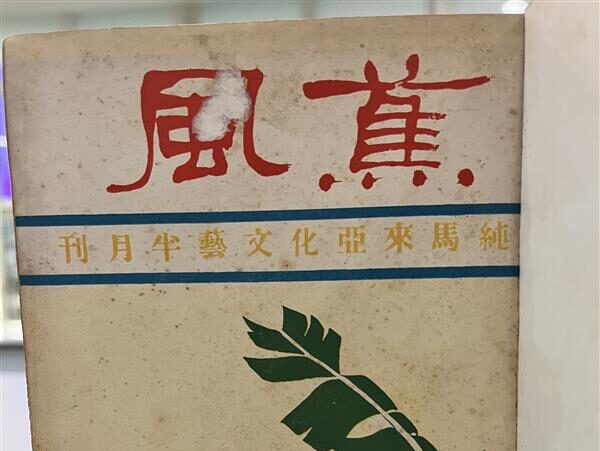
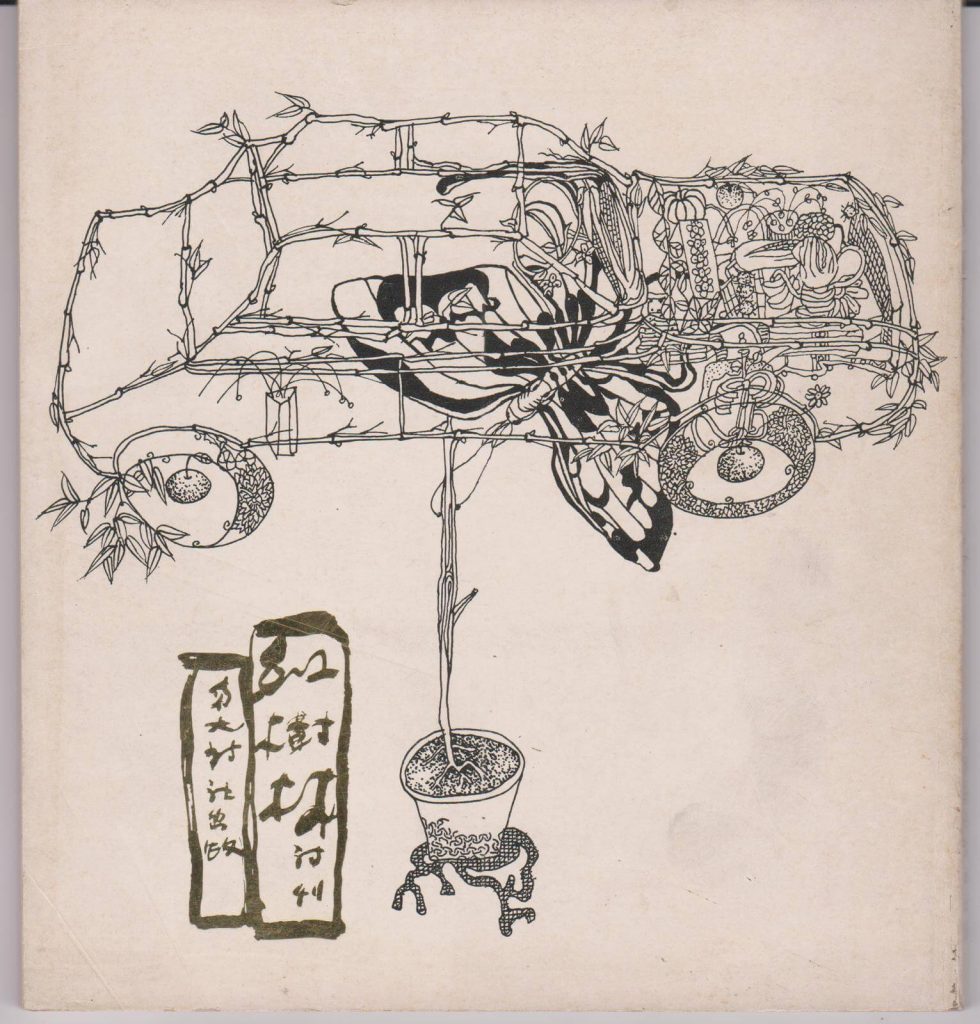
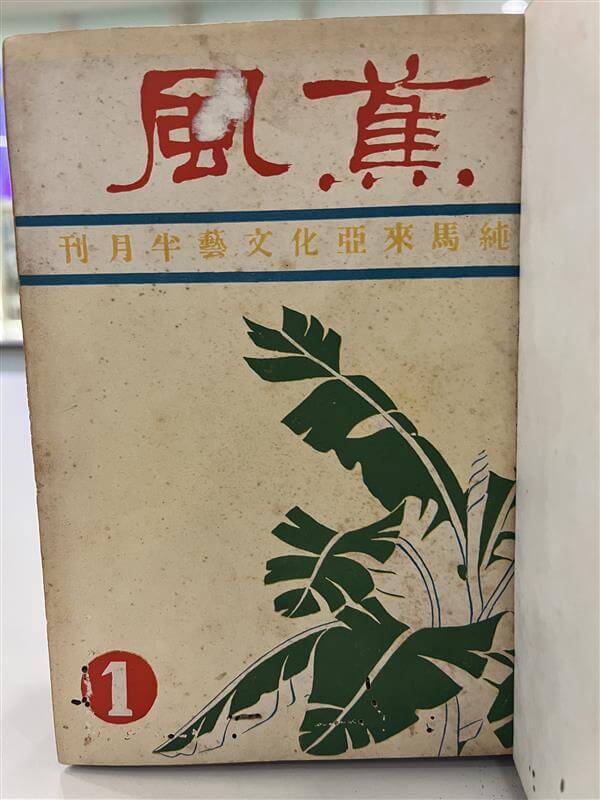
Nevertheless, literary exchanges between people from the two nations continued — as did the efforts of Singapore’s Nanyang University to nurture Chinese-language writers from Singapore and Malaysia. In 1975, the Nanyang University Poetry Society was founded and launched the magazine Hongshulin (Mangroves) the following year. The society also vigorously promoted a blend of poetry and music known as shiyue, and staged its first public performance in August 1978. The society had a prolific literary output. Its main composer of shiyue music was Zhang Fan, whose notable songs included Huishou (Waving Goodbye), featuring poetry by Low Sung Hwee; and Hupan (Lakeside), based on a poem by Toh Lam Huat. The society drew the attention of literary circles in Singapore and Malaysia, and some of its works ended up published in the Malaysian literary journal Chao Foon.
In 1980, after Nanyang University merged with the University of Singapore to form the National University of Singapore, the Nanyang University Poetry Society was disbanded. Nevertheless, shiyue continued to exert its cultural influence. The most notable work in this genre was Chuandeng (Lanterns), composed in 1982 with lyrics by Toh Lam Huat and music by Zhang Fan. In 1987, Malaysian musician Tan Hooi Song (1947–2008) and writer Tan Chai Puan introduced the song to local audiences at a Mid-Autumn Festival fair held at Foon Yew High School Johor Bahru. For years afterwards, the piece was widely sung in Malaysia. In 2011, Singapore’s Chingay Parade selected Chuandeng as its theme song, once again highlighting the song’s special significance in continuing to transcend boundaries.
Literary camps and awards
From the 1980s to the mid-1990s, the International Chinese Literary Camp and the Golden Lion Awards organised by Singapore’s Sin Chew Jit Poh and Nanyang Siang Pau (and later Lianhe Zaobao, which was formed from a merger between the two newspapers) served as important platforms for literary exchanges between Singapore and Malaysia. On top of inviting renowned Chinese-language writers from China, Hong Kong, Taiwan, Europe and the United States to Singapore, the biennial camp would also always include representatives from neighbouring Malaysia. While the four editions of the Golden Lion Awards have nurtured several Singaporean writers, Malaysian writer Pan Yu-tong was one of the winners of the inaugural competition, which shows that literary competitions could provide a platform for artistic exchange between writers from Singapore and Malaysia.
Although the camp and Golden Lion Awards have since been discontinued, the Hua Zong Literature Award established by Malaysia’s Sin Chew Jit Poh in 1991, and the Zaobao Literary Festival launched in Singapore in 2018, have somewhat taken on the role of facilitating literary exchanges between Singapore and Malaysia. Singaporean writers have consistently featured on the judging panels of the Hua Zong Literature Award. The 18th edition of the award, which called for submissions in 2025, also added a new category for microfiction which is open to Singapore citizens and permanent residents.
Prior to this, the triennial Fang Xiu Literary Award, launched in 2011, was open to writers from Singapore and Malaysia and received enthusiastic responses. The competition was organised by the Singapore Tropical Literature & Art Club, and similar Singapore-Malaysia literary exchanges led by civic writing organisations are becoming increasingly sophisticated.
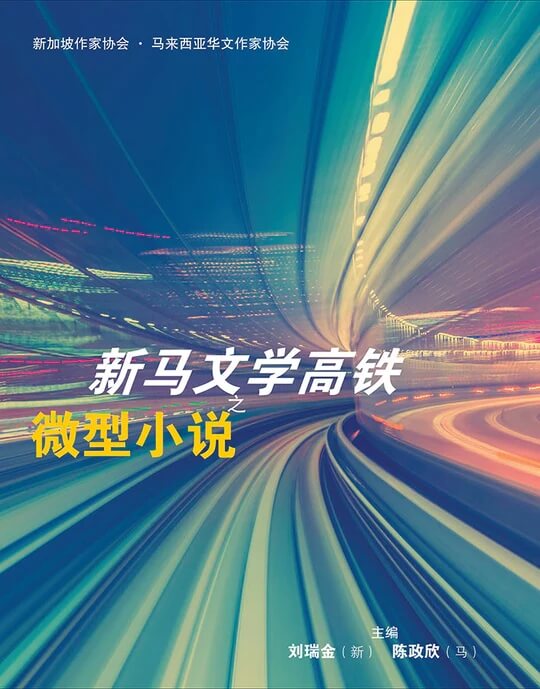
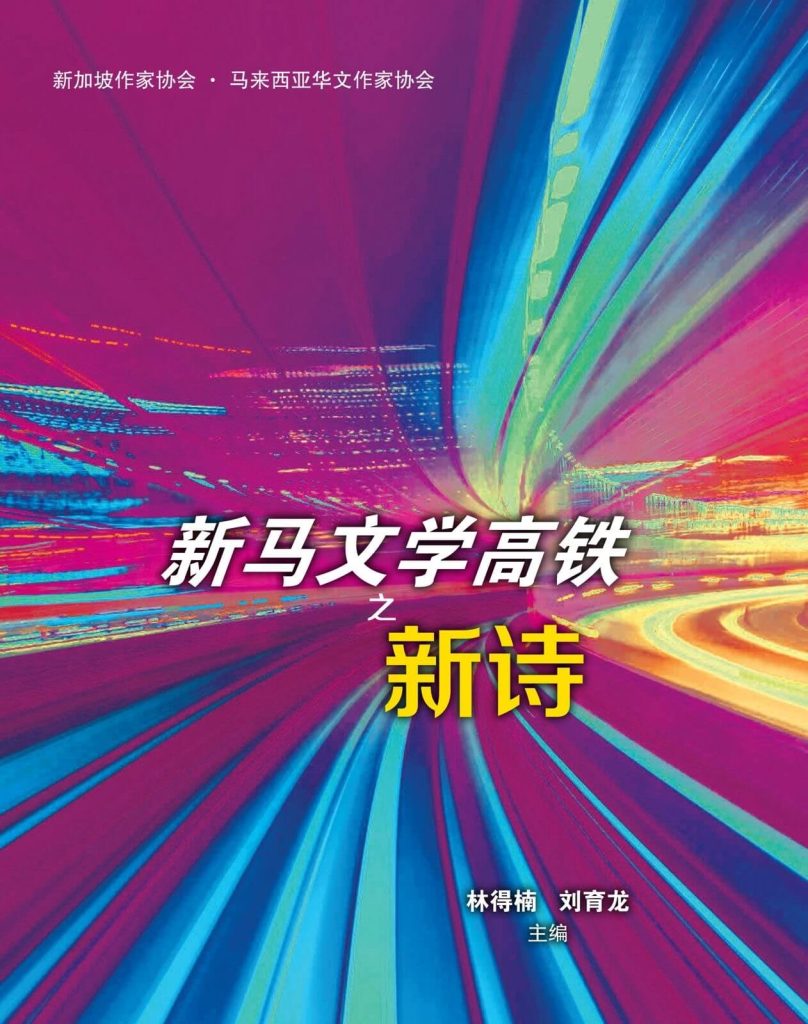
In addition, the Singapore Association of Writers and Malaysia’s The Writers Association of Chinese Medium jointly published Xinma wenxue gaotie zhi weixing xiaoshuo (Singapore–Malaysia Literary High-Speed Railway: Micro-fiction) and Xinma wenxue gaotie zhi xinshi (Singapore–Malaysia Literary High-Speed Railway: Modern Poetry) in 2017 and 2024 respectively. In 2023, a literary programme organised by Malaysia’s The Writers Association of Chinese Medium expanded its intake and included participants from Singapore, nurturing writers from both countries. Poet couple Wong Yoon Wah and Dan Ying (Lew Poo Chan), who were born in Malaya and later settled in Singapore, also used their Singapore Cultural Medallion Award prize money to sponsor the Nanfang wenxue zhi lü (Southern Literary Journey) poetry recital series. The event invited poets to Singapore and Malaysia, particularly schools, to demonstrate through recitals and performances the possibilities of poetry in multiple languages in Singapore and Malaysia.
In the new millennium, literary exchanges between Singapore and Malaysia have expanded into the digital realm. While the online journal Yizhi tekan (Heterogeneous poetry) — which emerged from an internet forum in 2003 — primarily composed of Singaporean writers, it also features Malaysian poets such as Sam Seen, as well as contributors from China, the United States and even Nigeria. Since the 2010s, a number of Singaporean and Malaysian poets, including Yufan and Tey Jack Yi, have been active in Taiwanese poetry forums and online journals, underscoring the limitless possibilities of literary circulation in today’s era.
This is an edited and translated version of 新马文学的跨界流动. Click here to read original piece.
Lee, Kim Chong. Mahua wenxue daxi shiliao, 1965–1996 [Historical collection of Malaysian Chinese literature, 1965–1996]. Johor Bahru (Malaysia): Pelangi Publishing, 2001. | |
Lim, Denan Denon and Lew Yok Long, eds. Xinma wenxue gaotie zhi xinshi [Singapore–Malaysia Literary High-Speed Railway: Modern Poetry]. Singapore: Singapore Association of Writers; Kuala Lumpur: Malaysia’s The Writers Association of Chinese Medium, 2024. | |
Liw, Pei Kien. Xinhua dangdai wenxue zhong de xiandai zhuyi [Modernism in contemporary Singapore Chinese literature]. Singapore: Global Publishing, 2018. | |
Low, Swee Kim and Tan Cheng Sin, eds. Xinma wenxue gaotie zhi weixing xiaoshuo [Singapore–Malaysia literary high-speed railway: Micro-fiction]. Singapore: Singapore Association of Writers; Kuala Lumpur: Malaysia’s The Writers Association of Chinese Medium, 2017. |