Cantonese food in Singapore


Cantonese cuisine, also known as yue cuisine, originated in China’s Guangdong province during the Han dynasty (206 BCE–220 CE). It typically refers to the food of Cantonese-speaking areas such as Guangzhou, Hong Kong, and Macau, and is often seen as the pinnacle of Chinese culinary art among the eight great cuisines. The Cantonese were among the earliest to leave China in the 19th and 20th centuries, spreading their food culture to many parts of the world.
Cantonese cuisine in Singapore
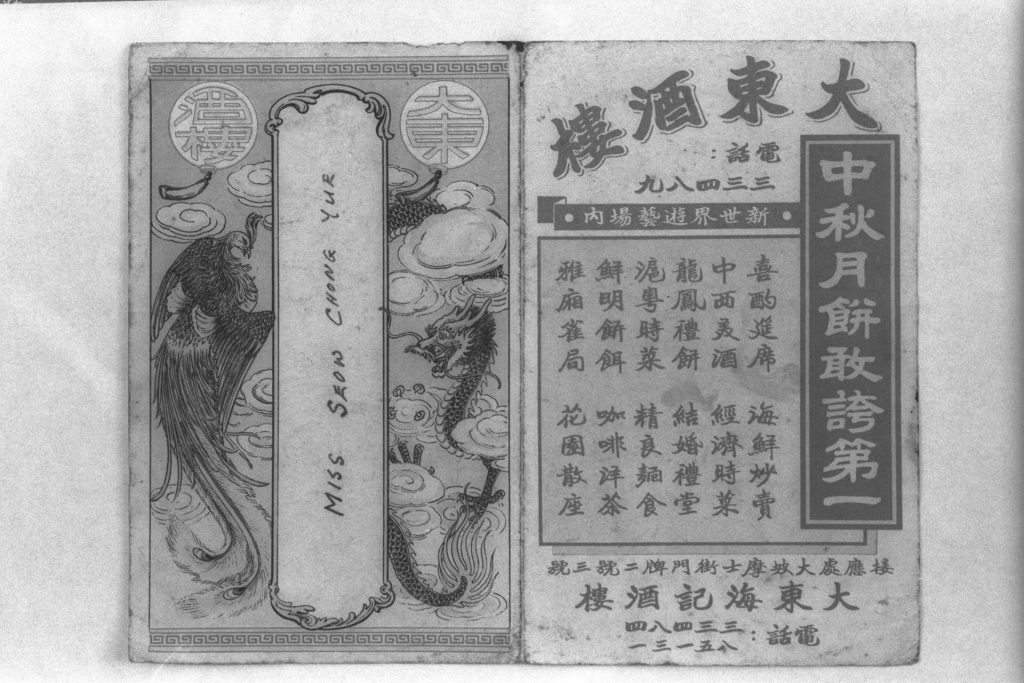
Along with the Hokkiens and Teochews, the Cantonese were some of the first Chinese dialect groups to settle in Singapore from the 19th century. The island has been home to numerous restaurants selling Cantonese food, including Moi Lum Restaurant (1920–2019) and Wing Choon Yuen (now known as Spring Court) (1929–). During the cuisine’s heyday in the mid-20th century, restaurants like Tai Thong Restaurant (at Gay World Amusement Park), Tai Tong Restaurant (at New World Amusement Park), and Cathay Restaurant were well-known, although they have since closed. Prominent restaurants that have been operating since the 1960s and 1970s include Lai Wah Restaurant (1963), Dragon Phoenix Restaurant (1963), Sik Wai Sin (1968), and Red Star Restaurant (1970).
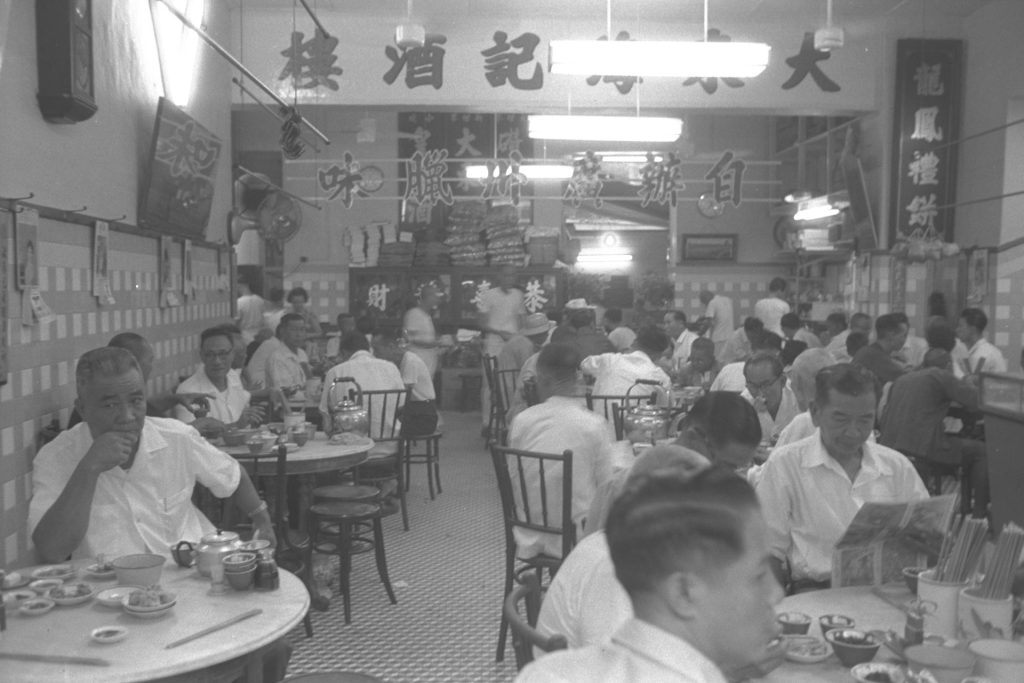
Cantonese cuisine places great importance on the freshness of ingredients. It is less greasy than other Chinese cuisines, and condiments are used sparingly to enhance the ingredients’ natural flavours. For example, the Cantonese dish of steamed scallops with ginger features only a small amount of soy sauce, ginger, and garlic to retain the scallops’ natural sweetness.
Oyster sauce (hoyau) and hoisin (“seafood”) sauce are common Cantonese condiments. Oyster sauce is commonly used in stir-fried dishes, while hoisin sauce, which does not contain seafood despite its name, is usually used as a glaze for roasted meat like char siew or as a dipping sauce for cheung fun (rice noodle rolls).
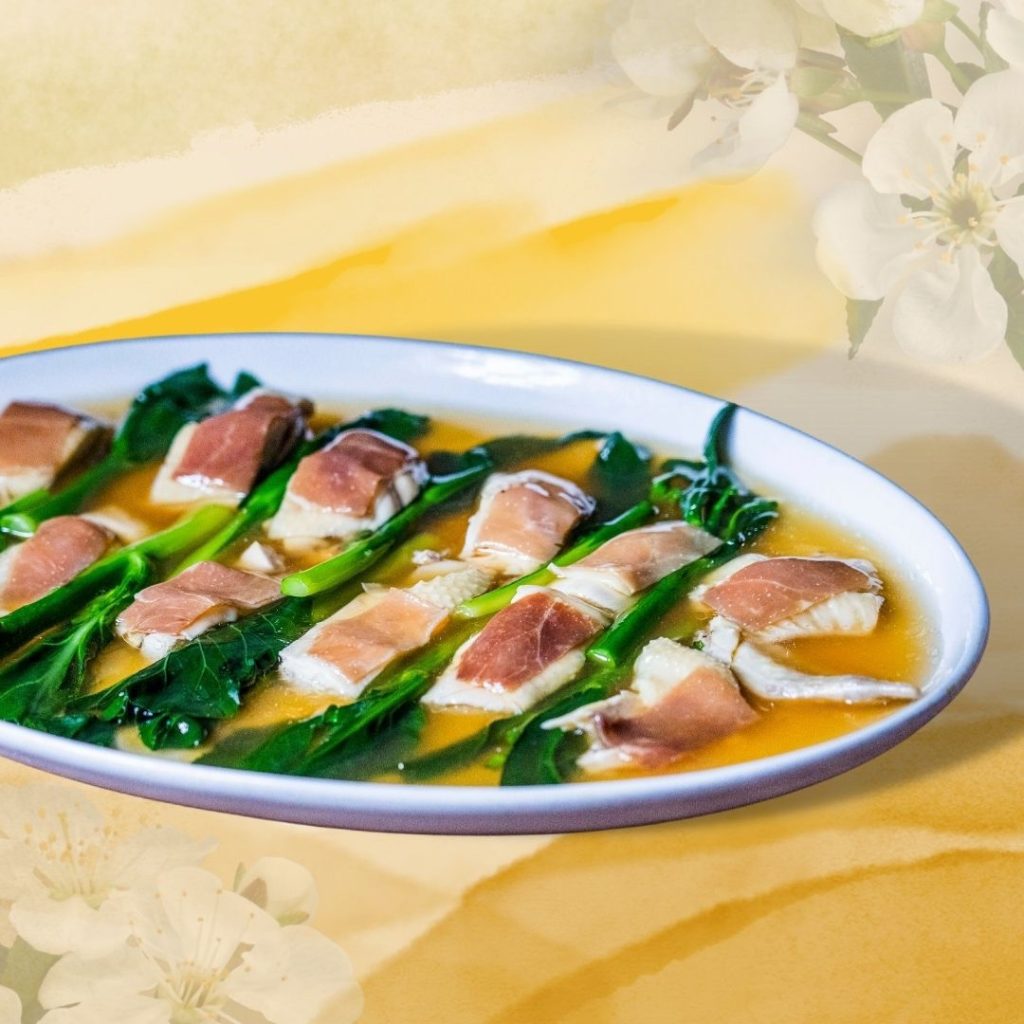
In tropical Nanyang, chefs had to make do with ingredients that were locally available. Yu lan chicken, a staple of early Cantonese weddings, involved cooking and dicing chicken before assembling it with Jinhua ham (a specialty dry-cured ham) and serving it with stir-fried Chinese broccoli. Because Jinhua ham was rare in Singapore, chefs replaced it with Western supermarket ham.
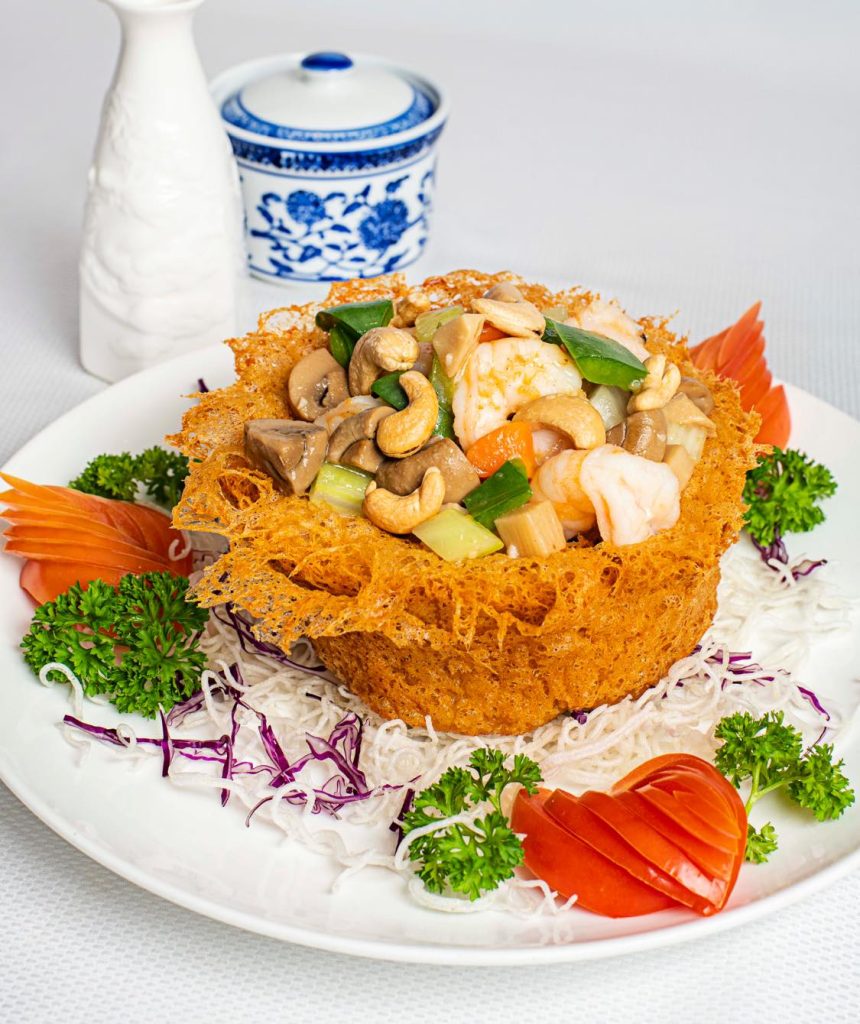
Other Cantonese dishes unique to Singapore emerged as a result of culinary experimentation, including the yam basket, where yam — which thrives in warm and humid climates — is shaped in a ring, deep-fried, and filled with stir-fried vegetables and meat; coffee pork ribs, with coffee being cheap and easy to find in Singapore; and fish head beehoon, which predominantly uses the toman fish indigenous to Southeast Asia.1
To cater to Singaporeans’ love for spicy and strong flavours, some dishes took on a local spin. One example is wanton noodles. While wanton noodles in Guangdong, Hong Kong, and Macau are soup-based, the dry version is more popular in Singapore and Malaysia, where the noodles are tossed in chilli and lard, and dark soy sauce, respectively.2
The Cantonese are known for their adventurous palate, and eat a panoply of animals including exotic ones such as snakes and snails. Britain’s Prince Philip (1921–2021) once remarked: “If it has four legs and is not a chair, if it has two wings and flies but is not an airplane, and if it swims and is not a submarine, the Cantonese will eat it.”3
The most common cooking methods are steaming, stir frying, braising, stewing, and smoking. Cantonese chefs are regarded as masters of wok hei, the smoky, aromatic flavour resulting from the high heat of a well-seasoned wok.
Notable dishes include:
In early Singapore, this was an essential part of festive occasions, particularly weddings. When a bride returned home on the third day after getting married, the groom would offer a roasted pig to her family to signal that she was still a virgin before marriage. If a pig was offered with its ear or tail cut off,it meant that she was not.4
In Singapore, roast suckling pig can be divided into the Cantonese and Teochew versions, with the former having “sandy” or “mottled” skin and the latter “smooth” or “shiny” skin. The Cantonese style is more popular but also more complicated, requiring maltose, vinegar, and Zhejiang vinegar to create the crispy exterior. Either way, the skin has to be light and crispy while the meat is smooth and soft.
Soup
Soup is central to Cantonese cuisine, giving rise to sayings such as “the Cantonese would rather drink soup than eat rice”. Besides the beloved old-fire soup which simmers over hours, there is boiled soup which involves boiling ingredients over high heat; double-boiled soup where soup is prepared over a hot water bath; herbal soup with the addition of herbs for health purposes; and thickened soup, which is similar to boiled soup but thickened with starch. Some classic Cantonese soups are old cucumber soup with pork ribs, winter melon soup, herbal black chicken soup, lotus root soup and Chinese watercress soup.
Congee
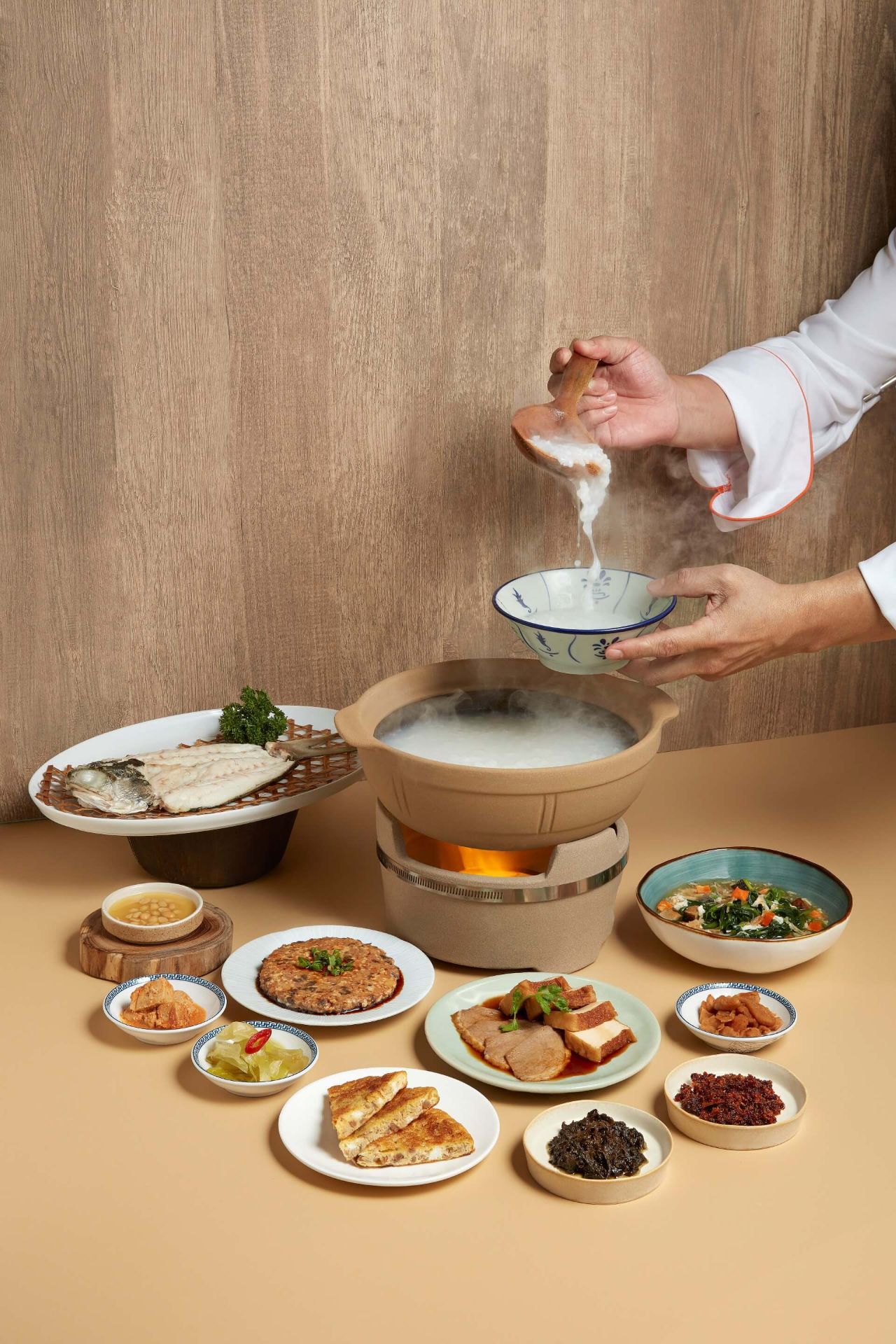
Cantonese congee is distinct from Teochew porridge (muay), with the former being smoother and creamier while the latter is more watery with whole rice grains. Singapore’s early congee hawkers used to get their supplies from rice specialty shops, but such stores are now extinct. Most people in Singapore now use Thai jasmine rice that has been stored for a few months. Cantonese congee is often eaten with fried dough sticks called youtiao.
Dim sum
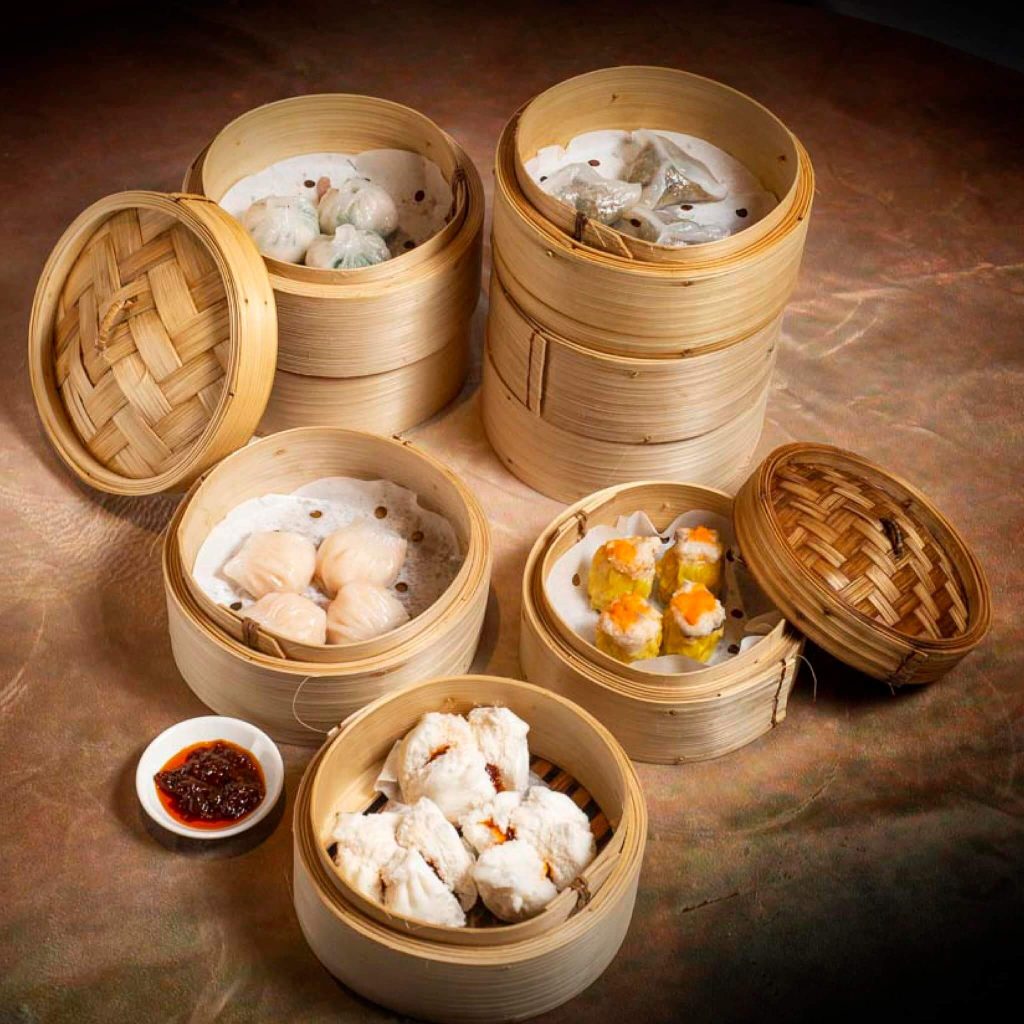
Cantonese dim sum, which directly translates to “touch the heart”, are bite-sized treats traditionally served with tea. Of the wide variety of dim sum, four have been hailed as the “four heavenly kings”: har gau (shrimp dumplings), siew mai (a dumpling wrapped with yellow skin containing pork, shrimp, and mushroom), char siew bao (barbecue pork buns), and dan tat (egg tarts). It is said that dim sum houses have to master these four dishes before they can be considered of a certain standard.5 Dim sum is an integral part of yum cha (meaning “drink tea” in Cantonese), which Cantonese families often gather for on Sundays.
The ‘Four Heavenly Kings’
In the 1950s, Sin Leong, Hooi Kok Wai, Lau Yoke Pui (1932–2006), and Tham Yui Kai (1928–1996) worked at Cathay Restaurant as apprentices under Master Luo Cheng from Shanghai. Opened in the old Cathay Building in 1940, Cathay Restaurant originally served European fare but underwent a revamp in 1951 under Master Luo to become one of the finest Cantonese restaurants in Singapore.6
The four later became sworn brothers. After Master Luo’s death in 1962, they started their own restaurants: the eponymous Sin Leong (established in 1965 and sold in 2000 to his godson, who renamed it Roland Restaurant); Dragon Phoenix Restaurant by Hooi; and Lai Wah Restaurant by Tham and Lau. In 1970, Red Star Restaurant was set up as a joint venture between the four. Today, it still serves dim sum from pushcarts wheeled from table to table.
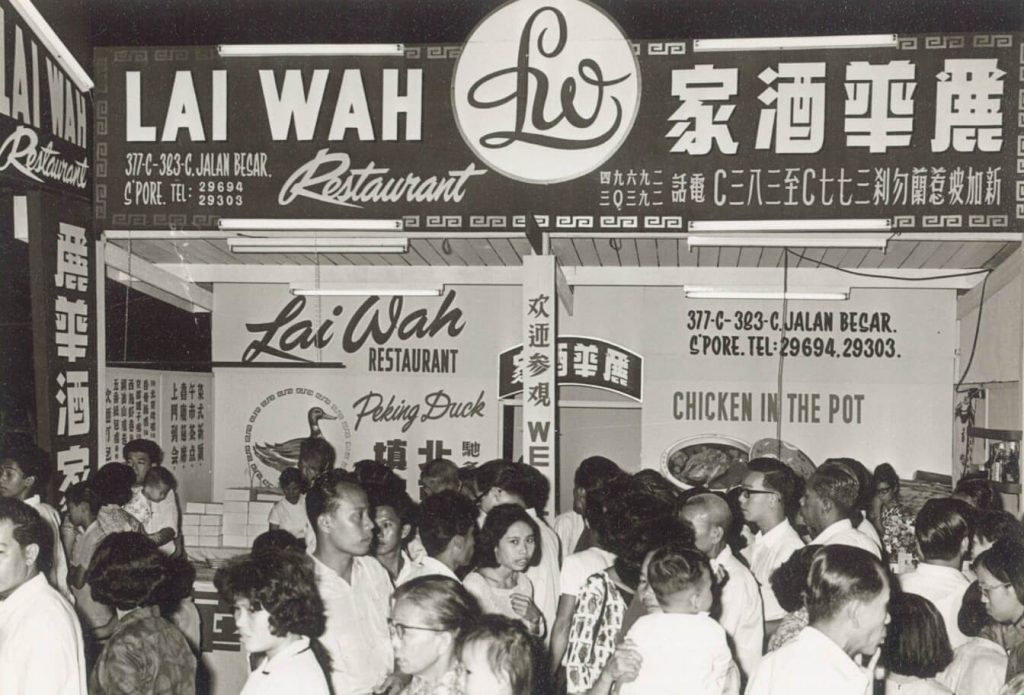
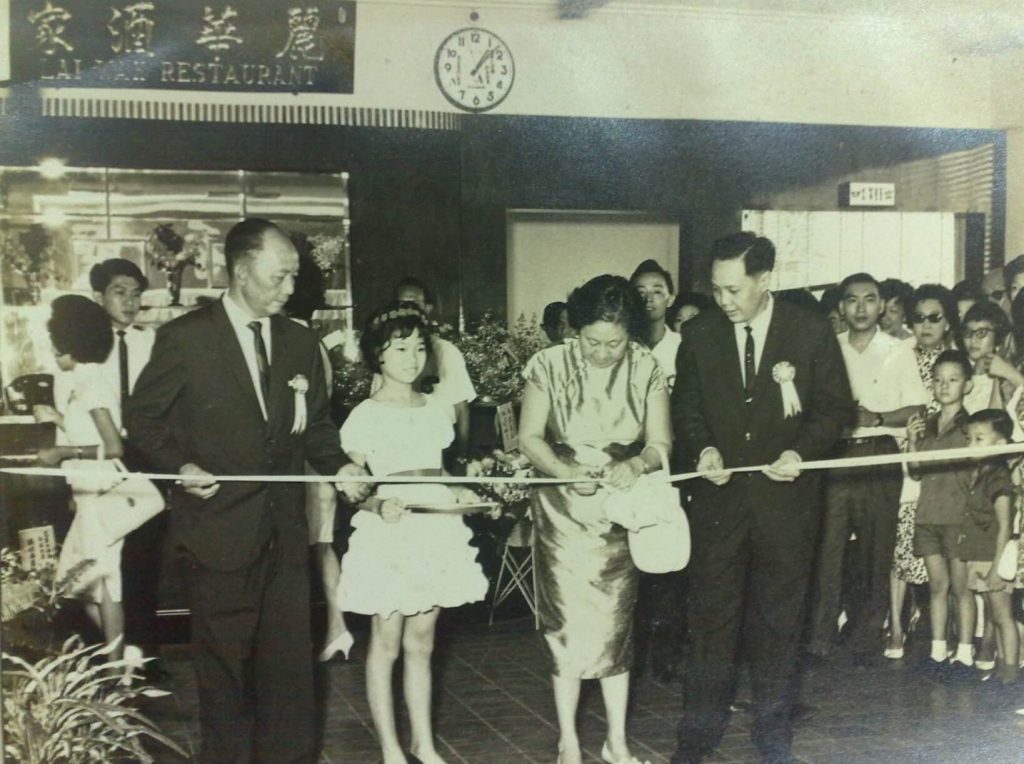
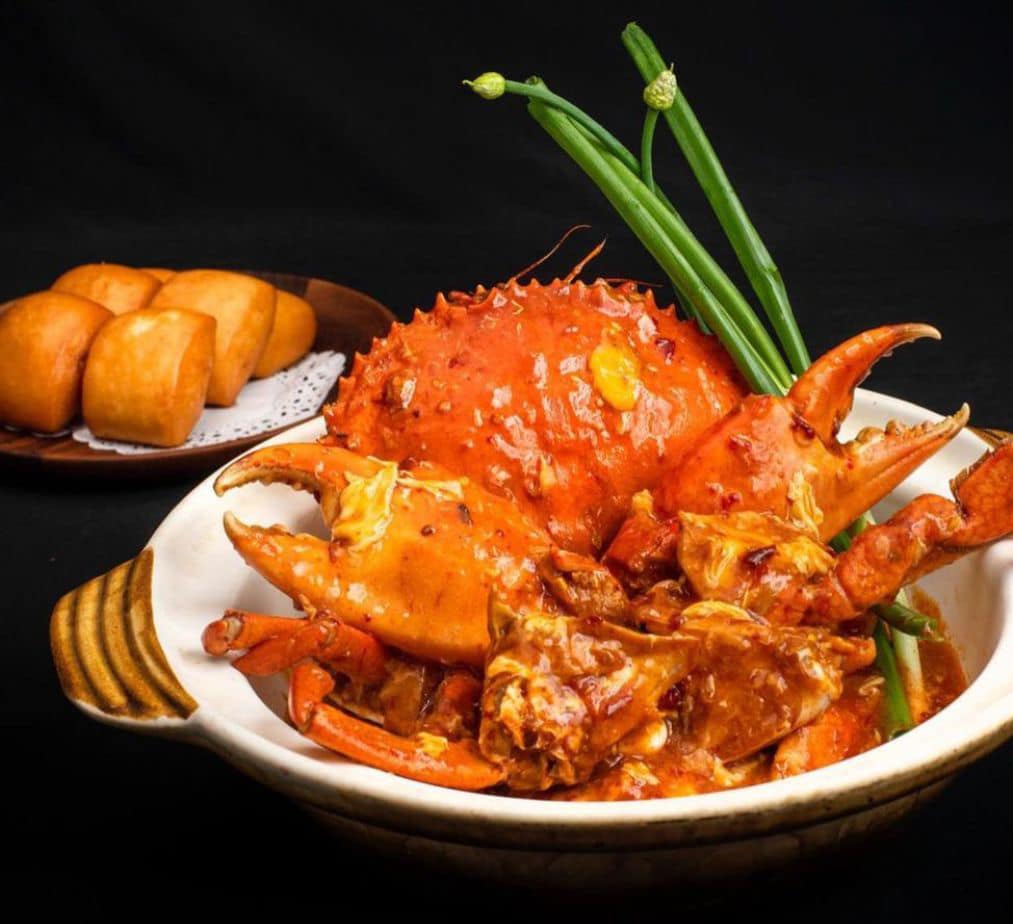
They decided it was important that their restaurants would have their own signature dishes.7 For instance, Sin Leong was known for inventing the USA Duck, named after the quality ducks used in its recipe. While chilli crab was invented in the mid-1950s by chef Cher Yam Tian (1933–2023, mother of Roland Lim, who runs Roland Restaurant), it is said that Hooi adapted and perfected the sauce at Dragon Phoenix to the more common version that Singaporeans love today: a thick gravy made of tomato sauce, egg whites, vinegar, and sambal.8 Meanwhile, Lai Wah Restaurant sold the deep fried yam pot with shredded meat.
Their dominance earned them the name “Four Heavenly Kings” of Cantonese cuisine in 1960s Singapore. They also sought to preserve the grandeur of Cantonese cuisine, which was the preferred choice for banquets even though most local Chinese immigrants were from Hokkien or Teochew regions. During the 1930s to 1960s, the 100-table Wing Choon Yuen would draw elites, associations, and newlyweds alike, hosting three to four wedding banquets a night.
Cantonese banquets of the past were elaborate affairs that comprised four hot dishes and four cold dishes — later simplified to two hot dishes and two cold dishes, with some serving only hot dishes. These dishes were often highly complex and required significant time and skill. For instance, in Eight Treasure Duck, the duck has to be carefully deboned before its stomach is stuffed with sautéed lotus seeds, roast pork, and lard. Another example is fengtunyan (“phoenix swallows bird’s nest”), which similarly features a complicated deboning process. A hole is made in the chicken’s neck to remove the bones, but its thin skin must remain intact. After which, bird’s nest is stuffed into the chicken’s stomach and stewed until the flavours blend together.
The Four Heavenly Kings met frequently to discuss new dishes and ways to improve business, which led to the birth of iconic Singaporean Cantonese dishes such as chilli crab, yam basket, as well as the local version of yusheng (raw fish).
In Guangdong province, people had been eating raw fish with sliced ginger and spring onions drizzled in lime juice with their porridge since the 1920s. Cantonese immigrants brought over the dish, with Tai Tong Restaurant at New World Amusement Park serving it as early as the 1930s.
But the local version of yusheng, born in 1964 and still enjoyed today, is often credited to the Four Heavenly Kings. They made substantial changes to the original recipe and elevated it from a side dish to a centrepiece during Chinese New Year celebrations. Inspired by rojak (a salad of mixed fruits and vegetables), they created a unique sweet-sour sauce and added more colourful ingredients, like shredded white and green radish and carrots as well as ginger slices. Later on, plum sauce and pomelo were added. The local yusheng is not merely distinct in how it is prepared but also how it is enjoyed — it is eaten only after a ritual known as lohei (Cantonese for “tossing”), which involves the communal tossing of the yusheng as high as possible to mix the ingredients while shouting auspicious blessings. This uniquely local ritual has become synonymous with the dish itself.
The initial response to yusheng was lukewarm. It was not until the 1970s that the dish gained widespread popularity as people warmed up to the idea. Yusheng advertisements appeared in local newspapers, and it was typically Cantonese restaurants that served it, among them Tai Thong, Jin Jiang, Ho Wah, Golden Castle and the Four Heavenly Kings’ restaurants. Today, the yusheng popularised by the Four Heavenly Kings is the most common type in Singapore.
New wave of Cantonese cuisine
Cantonese cuisine can be grand or simple. In the 1950s and 1960s, it was not high-end restaurants but street vendors selling zi char (stir-fried) dishes that dominated Singapore’s streets. Many teahouses run by Cantonese chefs also switched to serving zi char during lunch.
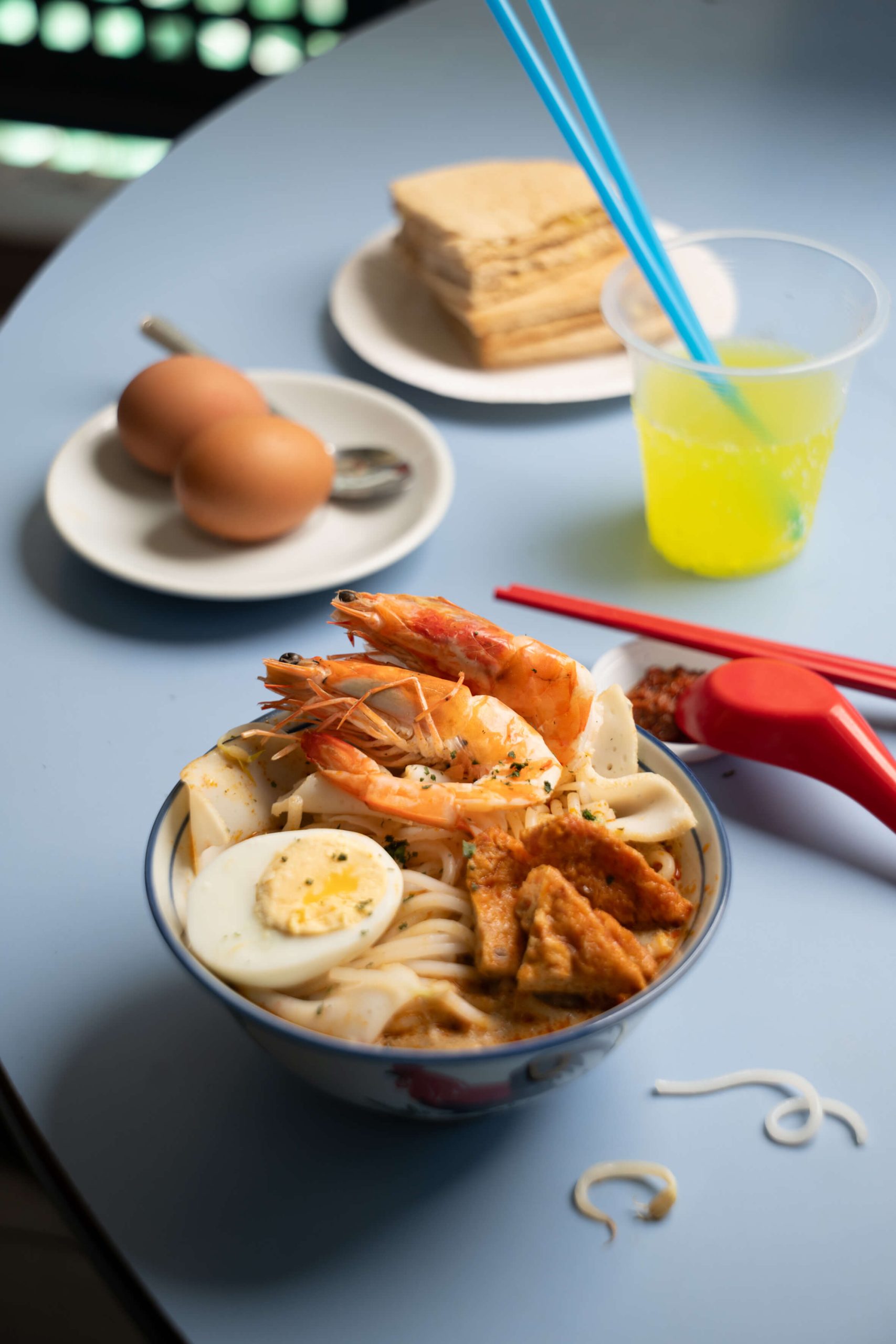
In fact, many restaurants started off as street food stalls before becoming full-fledged restaurants, including Wing Seong Fatty’s Restaurant (1926–2026), Kah-Soh (1939–2025), and Hillman Restaurant (1963). They did not offer full banquets, but preserved culinary traditions and nostalgic flavours. Hillman, for example, is Singapore’s first Cantonese claypot restaurant, offering dishes like Eight Treasures poon choi (a communal pot filled with luxurious ingredients like abalone and fish maw) and its boneless paper-wrapped chicken. Wing Seong Fatty’s Restaurant offers gu lou yok (sweet and sour pork) and its signature roast chicken, while Kah-Soh served Cantonese-style zi char, including its famous sliced fish beehoon soup.
During Singapore’s economic boom in the 1980s and 1990s, more hotel and restaurant groups opened Cantonese restaurants here, recruiting a large number of chefs from Hong Kong — whose own economic prosperity had also fuelled the development and “elevation” of Cantonese cuisine.9 Some of the Cantonese restaurants have become chains or high-end brands, while some Hong Kong chefs went on to start their own businesses. Some Hong Kong-style chains that sprang up in Singapore during that period include Tung Lok Shark’s Fin Restaurant (1984) in Liang Court, Tung Lok Group’s first restaurant; fine-dining restaurant Crystal Jade (1991) at the now-defunct Cairnhill Hotel; and Canton Paradise (2010), a Hong Kong-style eatery started by Paradise Group Holdings. The main difference between Hong Kong- and Guangdong-style Cantonese cuisine is that the former incorporates more Western influences. Baked goods like bolo buns and Portuguese egg tarts as well as milk tea (English breakfast tea sweetened with evaporated or condensed milk) are far more popular in Hong Kong, which was under British rule from 1841 to 1997. Cha chaan teng (Hong Kong-style diners) also serve Westernised dishes like macaroni soup with ham, baked pork chop rice, and French toast with condensed milk.
Decline and efforts at preservation
While Cantonese cuisine remains popular on the whole, some traditional Singapore Cantonese foods are unfortunately on the decline.10
For one, younger generations of Cantonese are reluctant to work in the industry. Even among those who do, many dishes that require a high level of skill are impossible to find today, including claypot carp and partridge congee.11 According to Chef Hooi, the loss of traditional craft dishes is mainly because no one is willing to learn and master them. For example, few chefs are willing to make boneless poached chicken and duck, whose skin can be easily damaged by poor technique. The labour shortage has also resulted in a shift towards pre-made products, for instance for sweet and sour pork sauce rather than making it from scratch. At the same time, some restaurants are experimenting with foreign ingredients such as foie gras, truffles, and caviar; and plating dishes individually rather than serving them on large plates for sharing. Another contributing factor is the decline of Chinese dialects in Singapore, which has in turn eroded people’s understanding of Chinese cuisines, noted food writer Wong Chiang Yin. For instance, not many Singaporeans are aware that wanton noodles are part of Cantonese cuisine, while fishball noodles originated from the Teochew-speaking Chaoshan region of Guangdong.12
Manpower shortages and high rental costs also threaten the survival of heritage restaurants. Many have been forced to close, including Kah Soh’s final outlet in 2025. Even Lai Wah, which still stands today, contemplated closure when the COVID-19 pandemic hit.13
That said, there have been efforts to preserve and celebrate Cantonese cuisine. In 2021, Shangri-La Singapore’s Chinese restaurant, Shang Palace, marked its 50th anniversary by recreating nostalgic dishes from 50 years ago, including fengtunyan, sautéed boneless frog leg with Yunnan ham, and Jiangnan Hundred Flowers Chicken. More recently, Hong Kong-born chef Peter Tsang recreated traditional Cantonese dim sum and near-extinct dishes at the Singapore Writers Festival 2025, serving guests guifei chicken (steamed chicken served with ginger and scallion sauce) and lard buns filled with black bean paste, lard, and black olives. As tastes evolve, the survival of Cantonese cuisine will depend on whether future generations find new meaning in age-old recipes.
| 1 | Author’s email interview with Wong Chiang Yin, 8 October 2025. See also Wong, How to Eat, 164–165. |
| 2 | Wong Chiang Yin, How to Eat (Singapore: Focus Publishing, 2021), 62. |
| 3 | “Quips and gaffes: Prince Philip’s memorable quotes,” The Straits Times, 9 April 2021. |
| 4 | Teresa Rebecca Yeo, “Chinese weddings,” National Library Board, Singapore. |
| 5 | Wong, How to Eat, 106. |
| 6 | Amanda Lee Koe, “Into the melting pot: Food as culture,” BiblioAsia 9, no. 3, October–December 2013. |
| 7 | Koe, “Into the melting pot.” |
| 8 | Damien Lim and Valerie Chew, “Chilli crab,” National Library Board, Singapore. |
| 9 | Author’s interview with food and travel writer Yap Seow Choong, 2 December 2025. |
| 10 | Author’s email interview with Wong Chiang Yin. |
| 11 | Wong, How to Eat, 190–91. |
| 12 | Jean Iau, “As Singapore sees a surge of mainland Chinese eateries, is local food culture OK?,” South China Morning Post, 12 April 2025. |
| 13 | Author’s interview with Wong Choo Wai, grandson of Lai Wah’s founder, 28 August 2025. |
Koe, Amanda Lee. “Into the melting pot: Food as culture.” BiblioAsia 9, no. 3, October–December 2013. | |
Lee, Kok Leong. Da yan ji, yue yang ren [Breaking the Waves]. Singapore: Traveler Palm Creations, 2017. | |
Min, Ding and Jie Xu. The Chinese Way. New York: Routledge, 2015. | |
Tang, Ai Wei. “Chuantong jiguancai nan tao shi chong dachu bianzhong shou lao weidao” [Traditional dialect cuisines losing appeal, chefs preserve old flavours amid change]. Lianhe Zaobao, 11 October 2025. | |
Tang, Ai Wei. “Guangshi gongfu cai, haoshi feigong xiangwei jianyuan” [Cantonese food is time-consuming and labour-intensive, but its local flavour is fading]. Lianhe Zaobao, 27 August 2022. | |
Wang, Hong and Liu Weiliang. Meishi xungen [Food Hometown]. Singapore: Popular Book Company, 2010. | |
Wong, Chiang Yin. How to Eat. Singapore: Focus Publishing, 2021. |